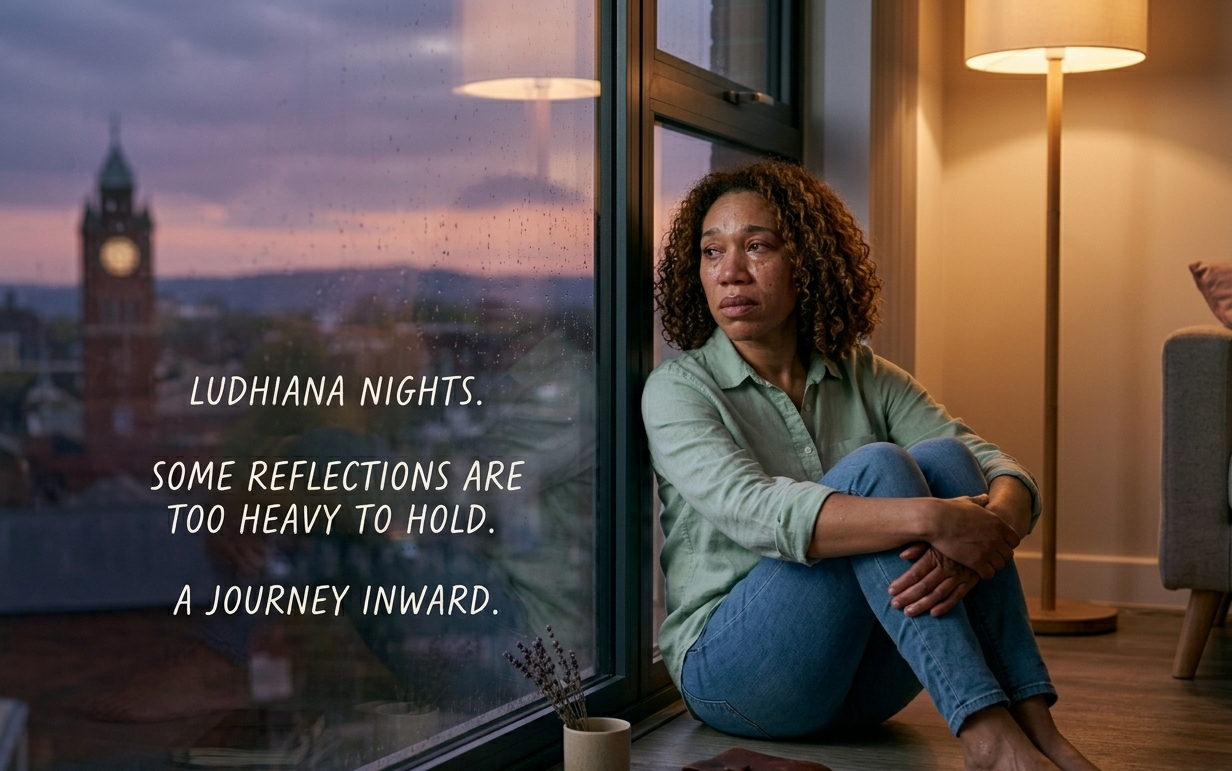









Being in a toxic relationship can slowly make you forget who you used to be. At first, you may try harder to fix things, avoid arguments, or keep the peace. But over time, constant emotional stress, manipulation, criticism, or inconsistency can leave you feeling mentally exhausted and emotionally disconnected from yourself.
The hardest part is that many women stay because they still love the person, hope things will improve, or feel emotionally attached despite the pain. But protecting your emotional well-being is just as important as protecting the relationship itself.
Stop Ignoring Your Feelings
One of the biggest mistakes people make in toxic relationships is constantly dismissing their own emotions.
If you regularly feel:
- Drained
- Anxious
- Unhappy
- Controlled
- Emotionally unsafe
those feelings matter. You should not constantly convince yourself that emotional pain is “normal” in love.
Set Clear Emotional Boundaries
Healthy boundaries are necessary, especially in emotionally unhealthy relationships.
Boundaries may include:
- Refusing disrespectful behavior
- Limiting toxic arguments
- Protecting personal space
- Saying no without guilt
- Communicating emotional needs clearly
People who truly care about you should respect your limits, not punish you for having them.
Stop Trying to “Fix” Them Alone
Many women become emotionally exhausted trying to heal, change, or emotionally save their partner.
But you cannot force someone to:
- Communicate better
- Respect you
- Heal emotionally
- Change toxic habits
- Become emotionally mature
Real change only happens when the other person genuinely wants it too.
Keep Your Own Identity Strong
Toxic relationships often become emotionally consuming.
Do not abandon:
- Your friendships
- Your hobbies
- Your goals
- Your routines
- Your independence
Maintaining your own identity helps protect your confidence and emotional stability.
Avoid Constant Emotional Reactivity
Toxic dynamics often create endless emotional arguments and impulsive reactions. While your feelings are valid, constantly reacting emotionally to manipulation or chaos can drain your mental health further.
Sometimes protecting your peace means:
- Stepping away temporarily
- Staying calm during arguments
- Refusing unhealthy emotional games
- Choosing emotional control over constant conflict
Talk to Someone You Trust
Toxic relationships can feel isolating because many people hide their struggles quietly.
Talking to:
- Trusted friends
- Family members
- Therapists
- Supportive people
can help you regain emotional clarity and perspective. You deserve support too.
Pay Attention to Patterns, Not Promises
Toxic partners often apologize repeatedly without changing their behavior consistently.
Instead of focusing only on words, pay attention to:
- Repeated patterns
- Emotional consistency
- Respect
- Accountability
- Actual behavioral improvement
Real change is shown through actions over time.
Protect Your Mental Health
If a relationship is constantly affecting:
- Your anxiety levels
- Sleep
- Confidence
- Emotional peace
- Self-worth
then your mental health deserves immediate attention and care. Love should not require sacrificing your emotional stability completely.
Know When Walking Away Is Necessary
Not every relationship can or should be saved.
If the relationship becomes emotionally damaging, abusive, manipulative, or consistently unhealthy despite repeated efforts, choosing distance may become necessary for your own healing and peace.
Leaving toxicity is not failure. Sometimes it is self-protection.
Final Thoughts
Dealing with a toxic partner without losing yourself requires emotional strength, boundaries, self-awareness, and self-respect. Love should never slowly destroy your peace, confidence, identity, or mental health.
You deserve a relationship where you feel respected, emotionally safe, supported, and valued — not constantly anxious, drained, or emotionally broken trying to earn basic care.
And remember this: protecting your peace is not selfish. It’s necessary.