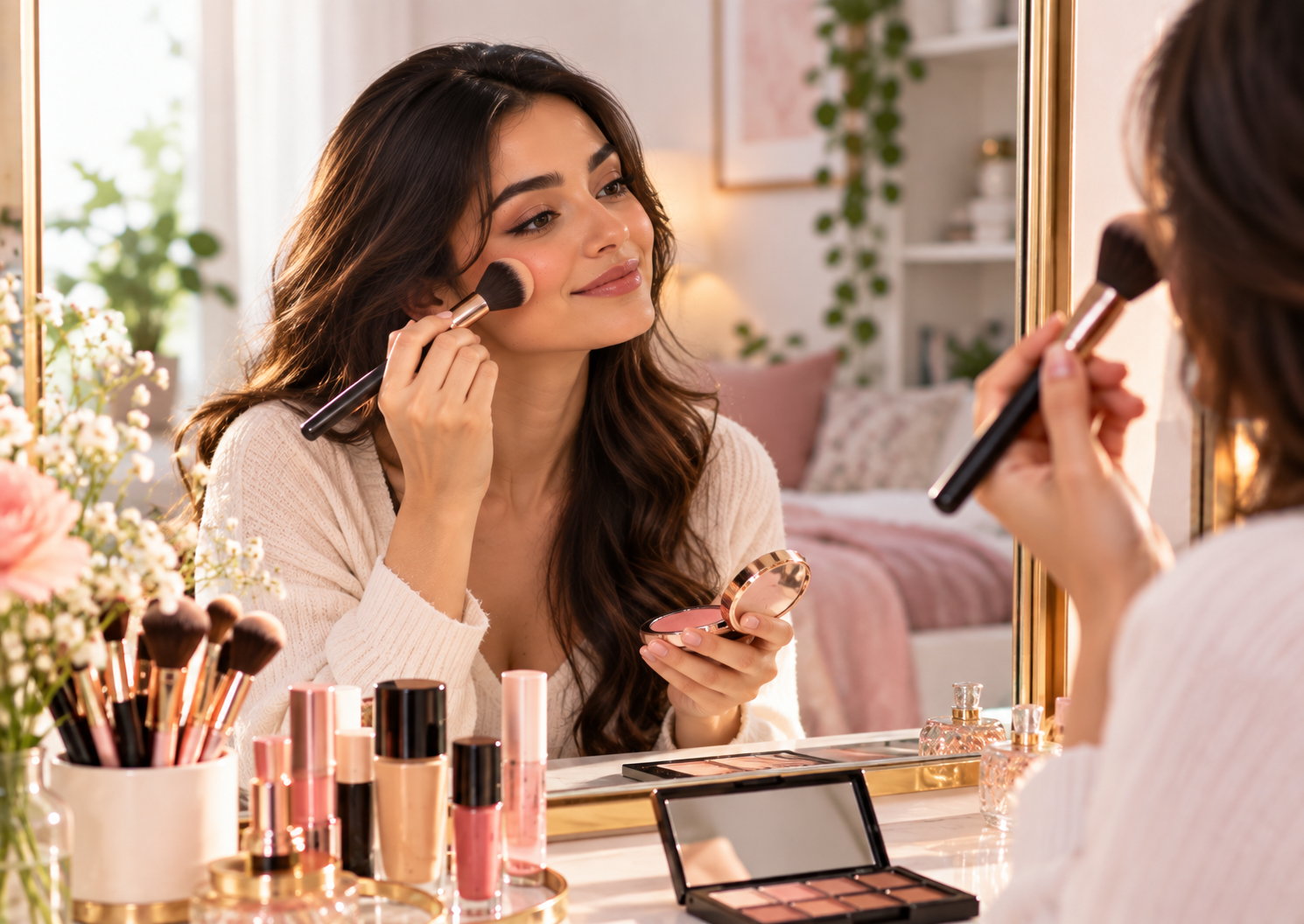








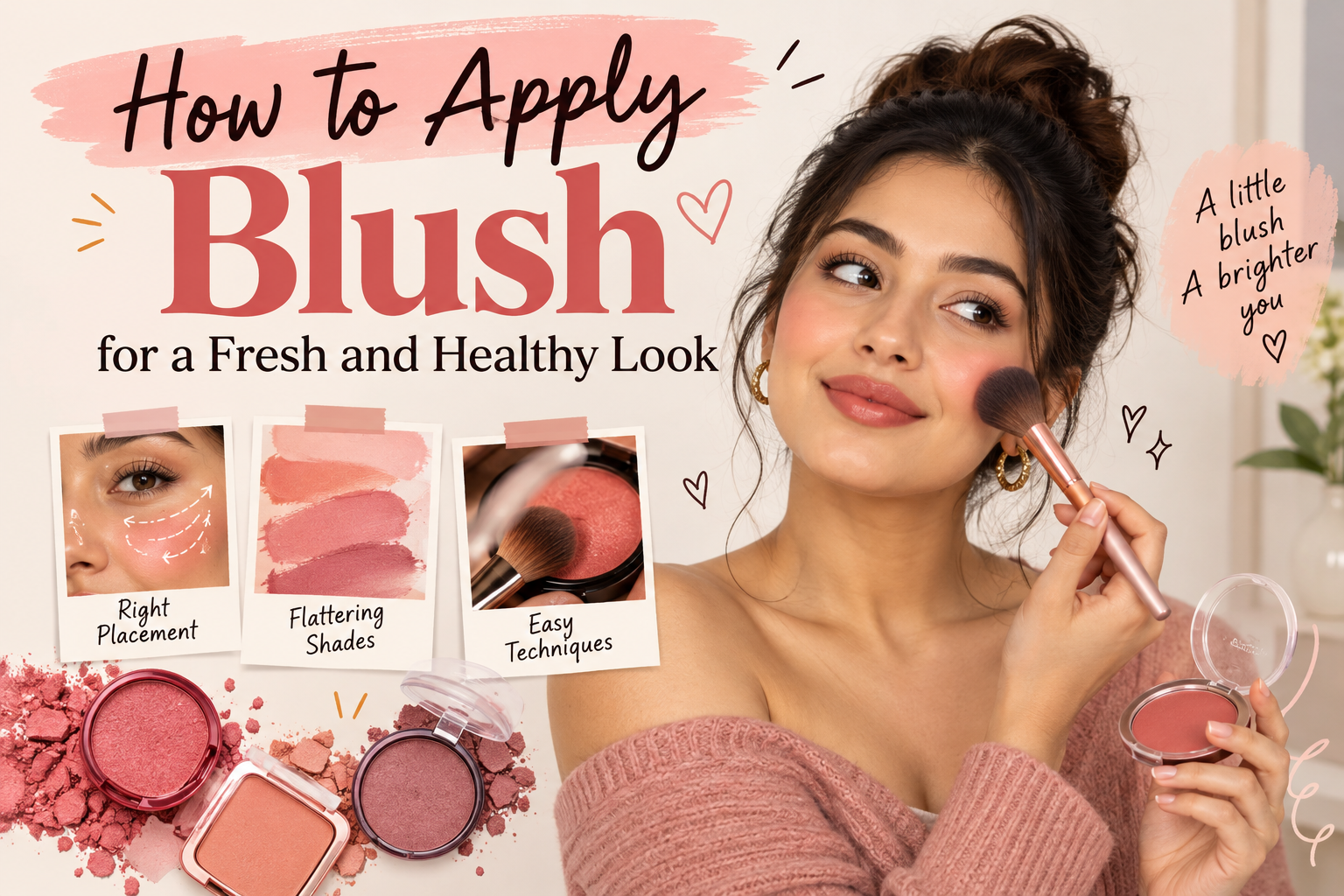
Blush application can make a noticeable difference to your makeup, even when you’re not wearing much else. A little colour on your cheeks can make your face look fresher, add warmth and bring life to an otherwise simple makeup look.
But applying blush isn’t always as easy as it seems. Too much product can look harsh, the wrong placement can change the overall effect, and a shade that looks beautiful in the packaging may appear different on your skin.
The good news is that you don’t need professional makeup skills to get it right. With the right shade, placement and blending technique, you can create a soft, natural-looking flush that suits your face.
Here’s how to apply blush for a fresh and healthy look without making your makeup appear heavy.
Choose the Right Blush Formula for Your Skin
Before thinking about placement, choose a formula that works well with your skin type and makeup routine.
Cream Blush for a Natural Finish
Cream blush is a great option if you prefer a fresh, skin-like finish.
It blends easily with your fingers, a sponge or a brush and can create a soft flush that looks less powdery.
Cream formulas may work particularly well for normal to dry skin, although people with oily skin can also use them if the formula suits their needs.
Best for: Fresh everyday makeup, dewy finishes and natural-looking colour.
Powder Blush for Easy Blending
Powder blush is easy to build gradually and comes in a wide range of finishes, from matte to softly luminous.
It can be a convenient choice for oily skin or when you want a more defined blush look.
Apply it with a soft brush and use light pressure to avoid depositing too much colour in one area.
Best for: Long-wearing makeup routines, combination skin and controlled colour.
Liquid Blush for a Soft Flush
Liquid blush often has a concentrated pigment, so a small amount can go a long way.
Apply one small dot at a time and blend quickly before adding more.
If you’re new to liquid blush, start with less product than you think you need.
Best for: Buildable colour and lightweight makeup looks.
Pick a Blush Shade That Complements Your Skin
The right blush shade should complement your natural colouring and the overall makeup look you want to create.
Here are some shades to experiment with.
| Skin tone or preference | Blush shades to try |
|---|---|
| Fair skin | Soft pink, pale peach, light rose |
| Light to medium skin | Peach, rosy pink, warm rose |
| Medium to tan skin | Coral, terracotta, warm pink |
| Deep skin | Berry, rich rose, plum, deep coral |
| Warm undertones | Peach, coral, warm rose |
| Cool undertones | Pink, berry, cool rose |
| Neutral undertones | Rose, peach-pink, soft mauve |
These are starting points rather than strict rules. You can wear any shade you love, and the finish and intensity of the formula can affect how it appears.
For a natural daytime look, choose a shade that adds colour without overpowering your other makeup.
Prepare Your Skin Before Applying Blush
Good preparation helps blush blend more smoothly.
Start with clean skin, apply your usual moisturiser and allow it to settle before applying makeup.
If you use foundation or concealer, blend those products evenly first.
The texture of your base matters too. Applying powder blush over a very wet or tacky foundation can sometimes create uneven patches. Allow your base to set slightly or use a formula that works well with it.
For cream blush, a thin layer of foundation can make blending easier. For powder blush, a lightly set base often helps the colour distribute more evenly.
You can also read [How to Keep Your Face Clean Without Over-Washing It] for simple guidance on maintaining a comfortable skincare routine.
Find the Best Blush Placement for Your Face
Where you apply blush changes the overall effect of your makeup. There isn’t one correct placement for everyone, so experiment with different positions.
For a Soft, Natural Look
Apply blush to the fuller area of your cheeks and blend gently outward.
Use a small amount of product and soften the edges so the colour looks like a natural flush rather than a separate patch of makeup.
This placement is easy to use for everyday makeup.
For a Lifted Appearance
Apply blush slightly higher on the cheeks, then blend upward toward the temples.
Keep the colour concentrated near the upper cheek area rather than spreading it too close to your nose.
This can create a lifted-looking effect, especially when the blush is blended softly.
For a Sun-Kissed Look
Apply a light amount across the upper cheeks and blend a little colour across the bridge of your nose.
Keep the application sheer to avoid an overly strong stripe of colour.
A peach or warm pink shade can work well for this style.
For a More Defined Look
Place blush along the upper cheek area and blend toward the outer face.
Keep the edges soft and avoid applying too much product close to the centre of your face if you want a more sculpted effect.
Remember that face shapes and personal preferences vary. Try different placements in natural light to see which one you like best.
How to Apply Blush Step by Step
If you want a simple routine to follow, use these steps.
Step 1 — Start with a small amount
Pick up a little product with your brush, sponge or fingertips. If you’re using powder blush, tap off any excess.
Step 2 — Apply it to your chosen area
For a classic everyday look, begin on the cheeks and blend outward. If you prefer a lifted effect, start slightly higher.
Step 3 — Blend the edges
Use gentle circular or upward motions, depending on the placement. Avoid leaving a sharp line where the blush ends.
Step 4 — Build the colour gradually
Look at your face before adding more. If you want greater intensity, add another thin layer instead of applying a large amount at once.
Step 5 — Check both sides
Make sure the colour looks balanced on both cheeks. They don’t need to be perfectly identical, but the overall effect should feel harmonious.
Step 6 — Check your makeup in natural light
Indoor lighting can make blush appear softer or stronger than it really is. Look near a window if possible before deciding whether you need to blend or add more.
Cream Blush or Powder Blush First
The order depends on the products you’re using.
For a cream blush routine, apply the cream over your foundation before setting the face with powder, unless the product instructions recommend otherwise.
For powder blush, apply it after your base has been set enough to allow smooth blending.
You can also combine formulas for more intensity, but use thin layers. Too many products can make the cheeks look heavy or uneven.
How to Make Blush Last Longer
If your blush fades quickly, a few small changes may help.
- Prepare your skin with suitable moisturiser.
- Avoid applying too much skincare or base product immediately before blush.
- Choose a formula that suits your skin type.
- Build colour in thin layers.
- If layering cream and powder, make sure the products work well together.
- Avoid repeatedly rubbing your cheeks throughout the day.
If your skin is oily, you may prefer a long-wearing formula or a light layer of powder blush over cream blush. If your skin is dry, avoid over-powdering the cheeks if it makes the finish look flat.
For more advice on keeping your overall makeup fresh, read [How to Make Your Makeup Last All Day Without Touch-Ups].
Common Blush Mistakes to Avoid
Even a good blush can look less flattering when it’s applied incorrectly.
Applying Too Much at Once
Highly pigmented blushes can quickly become intense. Begin with a small amount and build gradually.
Choosing a Shade Only by Looking at the Packaging
Blush can look different once applied to your skin. Test the shade when possible and check it in natural light.
Blending Too Close to the Nose
This isn’t always wrong, particularly for certain makeup styles, but too much colour in the centre of the face may not create the effect you’re aiming for. Adjust the placement according to your preferred look.
Using the Wrong Brush
A dense brush can deposit a lot of colour quickly. A soft, fluffy brush often gives more control with powder blush, especially for beginners.
Forgetting to Blend the Edges
Blush should transition smoothly into the surrounding makeup. If you notice a visible line, use a clean brush or sponge to soften it.
Copying Every Makeup Trend
A blush placement that looks great in a video may not be your favourite in real life. Use trends as inspiration, then adjust them to suit your features and style.
How to Apply Blush for Different Occasions
You can change your blush application depending on where you’re going.
For everyday makeup: Use a soft pink or peach shade and blend it lightly across the cheeks.
For office makeup: Choose a muted rose or neutral peach and keep the colour subtle.
For a date: Try a slightly warmer or rosier shade with softly blended edges.
For an evening event: Build a richer colour that complements your lipstick and eye makeup.
For photographs: Blush may appear less intense on camera, depending on lighting and camera settings. Apply gradually and check the result in a photograph rather than adding too much immediately.
Final Thoughts
Learning how to apply blush is less about following strict rules and more about understanding the effect you want to create.
Choose a formula that suits your skin, experiment with shades and placement, and blend the colour until it looks natural to you.
You don’t need a lot of product to make a difference. Sometimes, a little blush is all you need to make a simple makeup look feel fresher and more complete.
Start lightly, blend patiently and let your natural features guide your technique.
FAQs
Where should beginners apply blush?
Beginners can start on the fuller area of the cheeks and blend outward. Use a small amount of product and build the colour gradually.
Is cream blush better than powder blush?
Neither is universally better. Cream blush can give a fresh, skin-like finish, while powder blush offers easy layering and controlled application. Choose the formula that suits your skin and preferred finish.
Should blush go before or after setting powder?
Cream blush is generally applied before setting powder, while powder blush is usually applied after the base has been set. Follow the product instructions and use compatible formulas.
How do I stop blush from looking too strong?
Use less product, tap excess powder off your brush and blend the edges with a clean brush or sponge. Adding colour gradually is easier than trying to remove too much.
Which blush colour looks most natural?
Soft pink, peach and rose shades are popular natural-looking options, but the best shade depends on your skin tone, undertone and personal preference.
Can I wear blush without foundation?
Yes. Blush can be applied directly to moisturised skin if the formula blends well. You don’t need foundation to wear blush.