




Your period can affect much more than your calendar. Cramps, bloating, tiredness, headaches, mood changes and food cravings can make ordinary days feel more difficult.
While some people experience only mild symptoms, others may find that their period affects work, exercise, sleep or social plans.
The good news is that a few simple habits can make those days more comfortable. You don’t need an elaborate routine. Small changes in how you rest, eat, move and care for yourself can help you feel more supported throughout your cycle.
Here are some simple ways to feel better during your period.
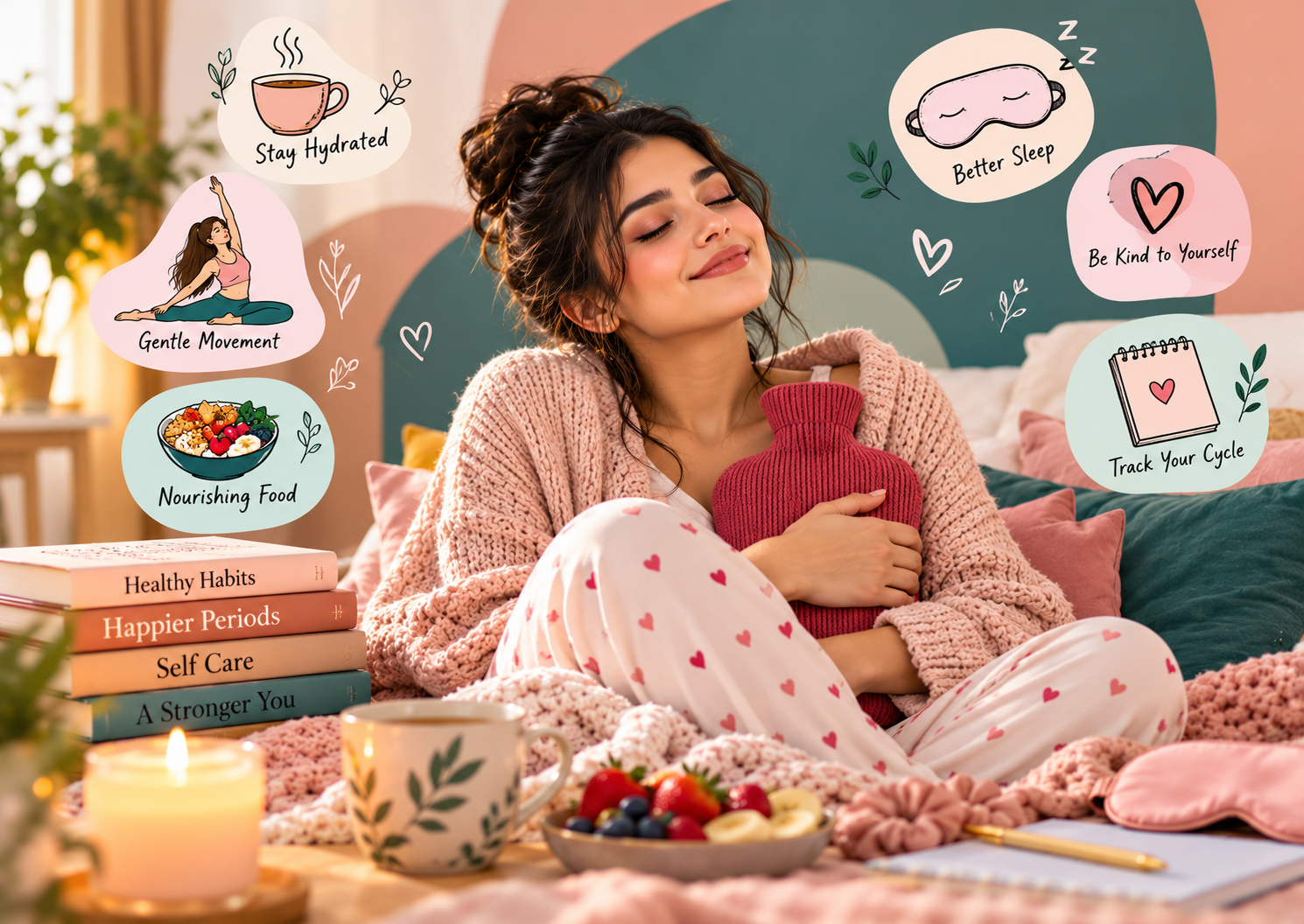
Use Heat for Period Cramps
Heat is one of the easiest ways to make period discomfort feel more manageable.
Try placing a warm heating pad or hot-water bottle on your lower abdomen or lower back for a while. A warm shower or bath can also feel relaxing when your muscles feel tense.
Make sure the heat isn’t excessively hot and avoid falling asleep with a heating device directly against your skin.
Sometimes, a little warmth and a quiet moment are all you need to feel more comfortable.
Try Gentle Movement
When you’re dealing with cramps or fatigue, the last thing you may want to do is exercise.
You don’t have to force yourself into an intense workout.
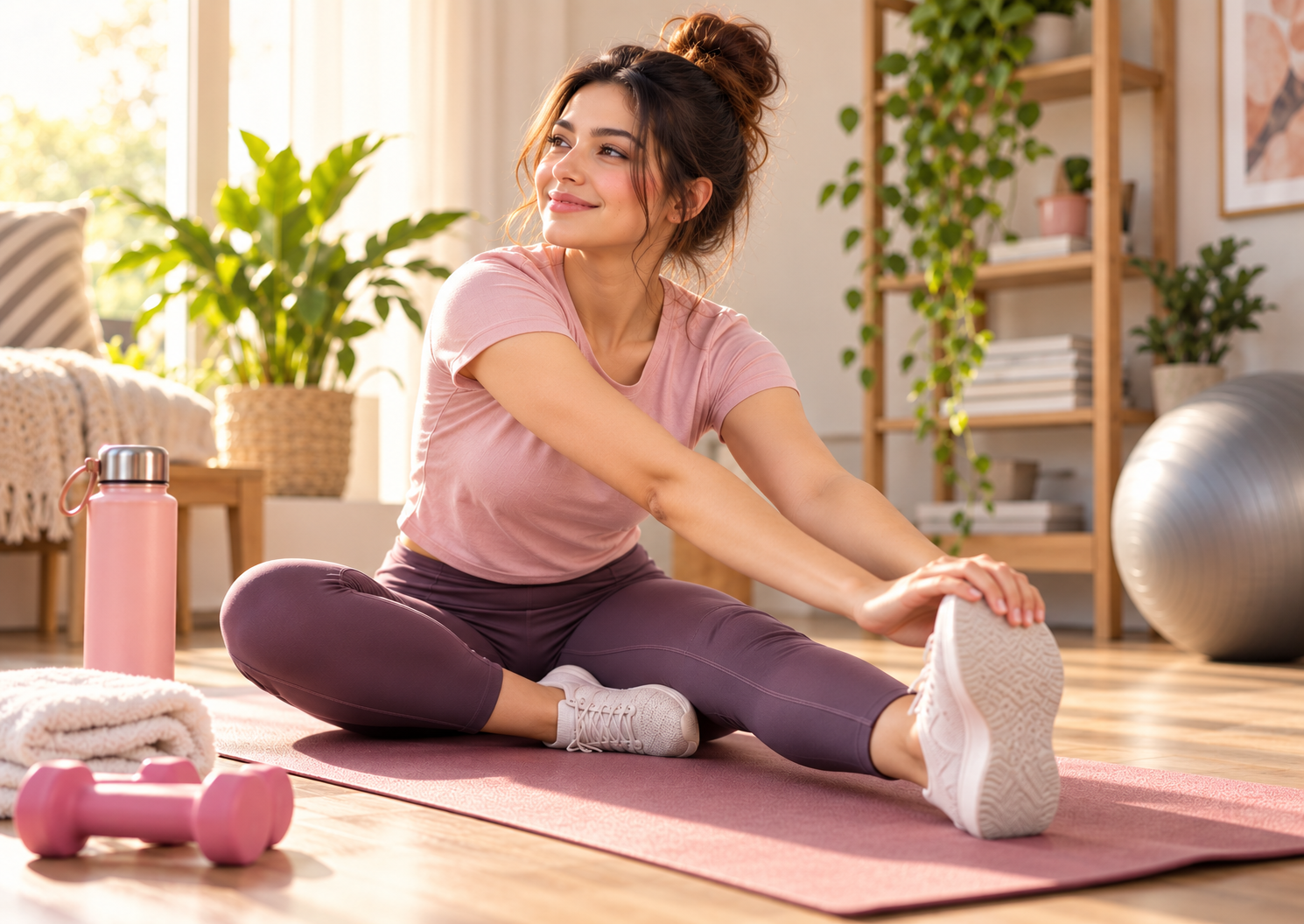
Gentle movement such as:
- Walking
- Light stretching
- Yoga
- Gentle mobility exercises
may help you feel less stiff and more comfortable.
Listen to your body. If you’re feeling exhausted or unwell, resting is perfectly reasonable.
Stay Hydrated
Drinking enough fluids throughout the day is a simple habit that can support your overall wellbeing during your period.
Keep a water bottle nearby and sip regularly instead of waiting until you’re very thirsty.
Some people also enjoy warm drinks such as caffeine-free herbal teas when they want something comforting.
If you’re experiencing vomiting, diarrhoea or unusually heavy bleeding, staying hydrated becomes particularly important, and you should seek medical advice if symptoms are significant or persistent.
Don’t Skip Meals
It can be tempting to skip meals when you’re bloated or simply don’t feel like eating.
However, regular, balanced meals can help you maintain your energy.
Try including a combination of:
- Whole grains
- Vegetables and fruit
- Protein-rich foods
- Healthy fats
- Iron-rich foods
You don’t need a perfect diet during your period.
Focus on nourishing your body rather than putting pressure on yourself to eat perfectly.
Pay Attention to Iron-Rich Foods
Menstrual bleeding means you lose some iron, and people with heavier periods may be at greater risk of iron deficiency.
Foods containing iron include:
- Lentils
- Beans
- Spinach
- Tofu
- Eggs
- Meat and seafood
- Fortified cereals
Pairing plant-based sources of iron with foods containing vitamin C can help your body absorb the iron.
If you’re frequently exhausted, dizzy or unusually weak, especially if you have heavy periods, talk with a healthcare professional rather than simply starting iron supplements on your own.
Cut Yourself Some Slack
Your energy levels may change throughout your cycle.
If you normally have a packed schedule, give yourself permission to slow down when you need to.
You don’t have to be equally productive every single day.
Maybe you can postpone a non-urgent task, take a longer break or choose a quieter evening at home.
Taking care of yourself isn’t being lazy.
It’s recognising what your body needs.
Get Enough Sleep
Period discomfort can sometimes make sleeping more difficult.
Try creating a calmer bedtime routine during those days.
You could:
- Keep your bedroom comfortable and cool
- Reduce screen time before bed
- Take a warm shower
- Do gentle stretching
- Keep your usual sleep schedule
- Use a comfortable pillow or sleeping position
If cramps are keeping you awake regularly, it’s worth discussing them with a healthcare professional.
Choose Comfortable Clothing
This might sound like a small thing, but comfortable clothing can make a surprisingly big difference when you’re bloated or experiencing cramps.
Loose trousers, soft fabrics and comfortable underwear can help you feel less restricted.
You don’t need to dress differently just because you’re on your period. Simply choose whatever makes you feel physically comfortable that day.
Manage Caffeine If It Makes You Feel Worse
Some people notice that caffeine makes certain period-related symptoms feel worse.
If you notice more restlessness, digestive discomfort or difficulty sleeping after consuming caffeine, consider reducing it around your period.
You don’t necessarily have to give it up completely.
Pay attention to how your own body responds and adjust accordingly.
Give Yourself Time to Relax
Your period can be a good reminder to slow down for a moment.
Try something simple that helps you relax:
- Reading
- Listening to music
- Taking a warm bath
- Watching a favourite show
- Journaling
- Practising slow breathing
- Spending quiet time alone
Self-care doesn’t have to involve expensive products or elaborate routines.
Sometimes, twenty quiet minutes can be enough to reset your mood.
Keep Track of Your Symptoms
Tracking your period can help you understand your own patterns.
Note things such as:
- When your period starts
- How long it lasts
- Cramp intensity
- Mood changes
- Energy levels
- Headaches
- Bloating
- Changes in bleeding
After a few cycles, you may notice that certain symptoms happen around the same time each month.
This information can also be useful when talking to a healthcare professional about unusual or troublesome symptoms.
Choose Period Products That Feel Comfortable
There isn’t one period product that works for everyone.
Depending on your preferences, you might use pads, tampons, menstrual cups, menstrual discs or period underwear.
The important thing is choosing products that suit your body and changing or using them according to the product’s instructions.
If a product causes irritation or discomfort, try another option rather than forcing yourself to use it.
Be Kind to Your Mood
Hormonal changes around your period can coincide with mood changes for some people.
You might feel more emotional, irritable, tired or less social than usual.
Instead of judging yourself for feeling different, give yourself some breathing room.
You can tell someone you trust that you’re having a difficult day, take some time alone or simply reduce unnecessary pressure.
However, severe mood symptoms that regularly interfere with your daily life shouldn’t be dismissed as “just PMS.” Speak with a healthcare professional if they are intense or difficult to manage.
If you notice that your emotions change around your cycle, learning about [Common PMS Symptoms and How to Manage Them] can help you understand what you’re experiencing.
Know When Period Pain Isn’t Something to Ignore
Some discomfort during a period can be normal, but severe or worsening pain shouldn’t simply be accepted as something you have to live with.
Consider speaking with a healthcare professional if:
- Your period pain regularly stops you from doing normal activities
- Your bleeding is unusually heavy
- Your periods suddenly become much more painful
- You experience bleeding between periods
- You feel extremely weak, dizzy or short of breath
- Your symptoms are getting worse over time
- Over-the-counter pain relief isn’t helping
Conditions such as endometriosis, fibroids and other health problems can sometimes cause significant menstrual symptoms, so persistent or severe symptoms deserve proper evaluation.
Create Your Own Period Comfort Routine
You don’t have to follow every suggestion in this article.
Instead, create a small routine that works for you.
For example:
Morning:
Drink water, eat a nourishing breakfast and do a few gentle stretches.
Afternoon:
Take short breaks, stay hydrated and choose a comfortable lunch.
Evening:
Use heat for cramps, have a relaxing shower and give yourself enough time to sleep.
The goal isn’t to make your period disappear.
It’s to make those days a little easier.
Final Thoughts
Periods are a normal part of life, but that doesn’t mean you have to ignore discomfort.
Simple habits such as using heat, staying hydrated, eating regular meals, getting enough sleep and choosing gentle movement can help you feel more comfortable.
Most importantly, pay attention to your own body.
What works beautifully for one person may not work for another, and that’s completely normal.
And if your period pain, bleeding or other symptoms are severe or regularly interfere with your life, don’t feel that you simply have to tolerate them. Your discomfort deserves attention.
FAQs
What is the easiest way to feel better during your period?
Using a warm heating pad, staying hydrated, getting enough rest and doing gentle movement are simple options that many people find comforting.
Should I exercise during my period?
You can exercise if you feel comfortable doing so. Gentle walking, stretching and yoga may be easier when you’re experiencing cramps or fatigue. There’s no need to force intense exercise when you’re feeling unwell.
What should I eat during my period?
Focus on balanced meals containing protein, whole grains, fruits, vegetables and iron-rich foods. Regular meals can also help support your energy.
Why am I so tired during my period?
Fatigue can occur around menstruation for several reasons, including hormonal changes and blood loss. If tiredness is severe or persistent, particularly with heavy periods, speak with a healthcare professional.
When should I see a doctor about period pain?
If pain is severe, worsening, regularly interferes with your normal activities or isn’t improving with usual measures, it’s worth seeking medical advice.