







Make your skin look younger without spending a fortune on treatments by focusing on simple habits that protect your skin and support its natural health.
Fine lines, uneven tone, dryness, and loss of firmness are normal parts of getting older. However, some everyday habits can make your skin appear duller or more aged than it needs to.
The good news is that you don’t need a cabinet full of expensive products to take better care of your skin.
A consistent routine built around sun protection, moisturization, gentle cleansing, healthy lifestyle habits, and a few well-chosen skincare ingredients can go a long way toward keeping your skin looking healthy and radiant.
Protect Your Skin From the Sun Every Day
If there is one skincare habit worth prioritizing, it’s sun protection.
Repeated exposure to ultraviolet radiation contributes to premature skin aging, including wrinkles, uneven pigmentation, and loss of elasticity.
Use a broad-spectrum sunscreen with SPF 30 or higher and apply it regularly when you will be exposed to the sun.
Don’t rely only on sunscreen.
You can also protect your skin by:
- Wearing a wide-brimmed hat
- Using sunglasses
- Seeking shade
- Wearing protective clothing
- Avoiding unnecessary prolonged sun exposure
Daily sun protection is one of the most practical ways to protect your skin from premature aging.
Keep Your Skin Properly Moisturized
Dry skin can make fine lines appear more noticeable.
A good moisturizer helps support the skin barrier and keeps the skin feeling softer and more comfortable.
Look for products containing ingredients such as:
- Ceramides
- Glycerin
- Hyaluronic acid
- Squalane
You don’t need the most expensive moisturizer on the shelf.
Choose one that suits your skin type and that you will actually use consistently.
Don’t Overwash Your Face
Clean skin is important, but aggressive cleansing can leave your skin feeling dry and irritated.
Avoid repeatedly washing your face throughout the day unless you have a specific reason to do so.
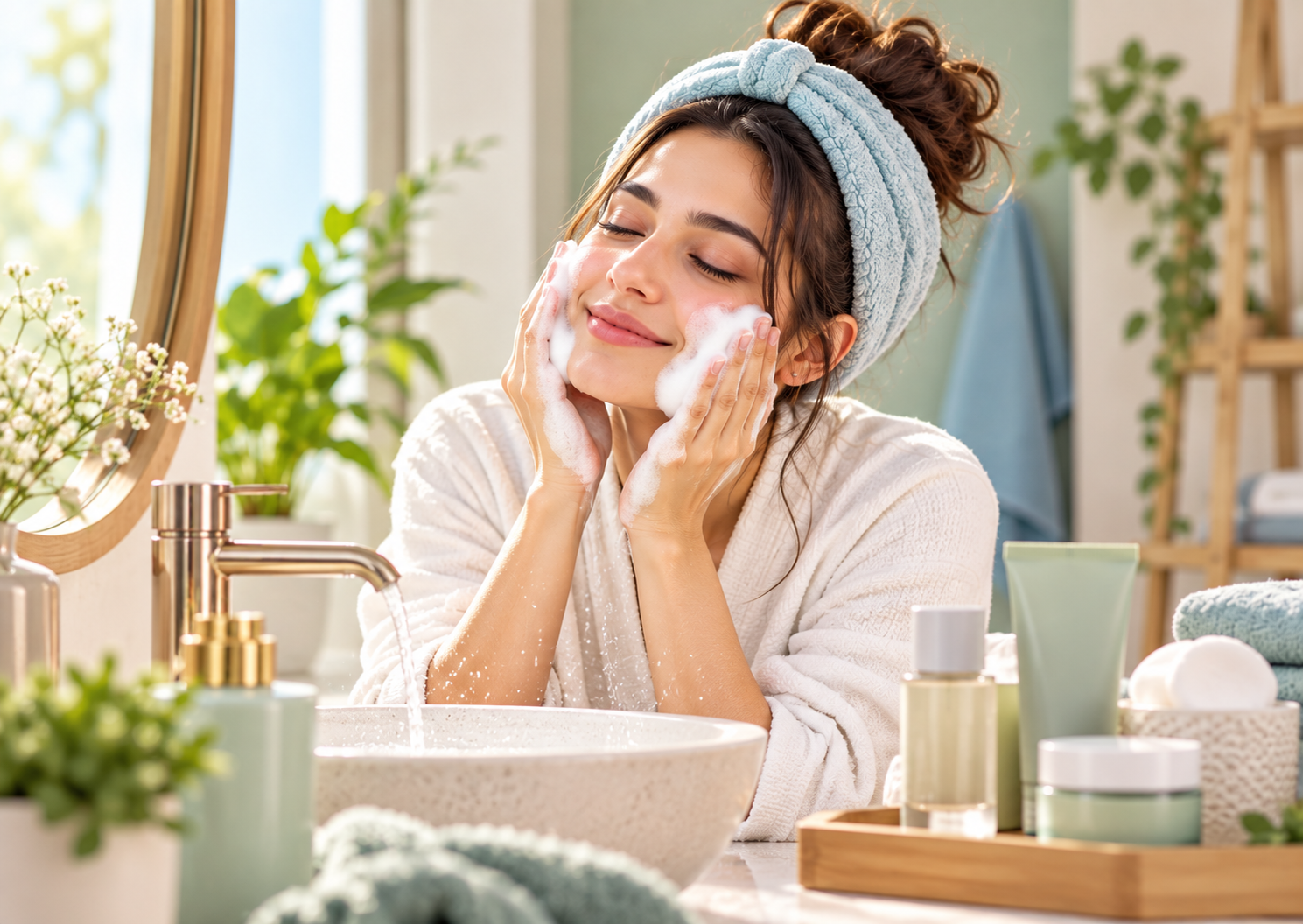
Choose a gentle cleanser and use lukewarm rather than very hot water.
Your skin doesn’t need to feel tight and “squeaky clean” after washing.
That tight feeling can actually be a sign that you’ve removed too much of the skin’s natural oils.
Consider Adding a Retinoid
Retinoids are among the better-studied ingredients for addressing signs of skin aging.
Topical retinoids can help improve the appearance of fine lines, skin texture, and pigmentation over time.
If you’re considering an over-the-counter retinol product, start slowly rather than applying it every night immediately.
For example, you might begin a few nights per week and increase gradually depending on how your skin responds.
Retinoids can cause dryness and irritation, particularly when you first start using them.
If you’re pregnant or trying to become pregnant, talk to your healthcare professional before using retinoid products.
Add Vitamin C to Your Routine
Vitamin C is another popular ingredient in anti-aging skincare.
Topical vitamin C can help support antioxidant protection and improve the appearance of uneven skin tone.
If you want to try a vitamin C serum, introduce it gradually and pay attention to how your skin responds.
You don’t need multiple serums.
A simple routine that you can follow consistently is often easier to maintain.
Don’t Forget Your Neck
Many people spend a lot of time caring for their face while completely ignoring their neck.
Your neck is also exposed to the sun and can show signs of aging.
When applying moisturizer and sunscreen, extend your routine down to your neck and other exposed areas.
You don’t necessarily need a separate expensive neck cream.
The products you already use may be suitable, depending on their ingredients and your skin’s needs.
Exfoliate Carefully
Exfoliation can help remove dead skin cells and improve the appearance of skin texture.
But more exfoliation doesn’t mean younger-looking skin.
Over-exfoliating can cause:
- Dryness
- Redness
- Irritation
- Increased sensitivity
- Damage to the skin barrier
If you use chemical exfoliants such as AHAs or BHAs, start with a lower frequency and avoid combining too many strong active ingredients at once.
Your skin should feel comfortable, not raw or constantly irritated.
Get Enough Sleep
Your skin and overall health are closely connected to your lifestyle.
Poor sleep can leave you looking tired, with dull skin and more noticeable under-eye concerns.
Try to maintain a consistent sleep schedule and aim for enough sleep to feel rested.
For most adults, that means around 7 to 9 hours per night.
You don’t need a perfect sleep routine.
Even improving your consistency can be helpful.
Eat a Balanced Diet
Skincare products are only one part of healthy-looking skin.
Your body also needs adequate nutrition.
Build meals around a variety of:
- Fruits
- Vegetables
- Whole grains
- Beans and lentils
- Nuts and seeds
- Protein-rich foods
- Healthy fats
Foods containing antioxidants and essential nutrients can support overall health, while a varied diet helps provide the nutrients your body needs.
Instead of looking for one “anti-aging food,” focus on the overall quality and variety of your diet.
Stay Hydrated
Drinking enough fluids supports normal body functions.
If you’re dehydrated, you may notice that your skin looks and feels less comfortable.
Keep water available throughout the day and drink according to your thirst and individual needs.
However, drinking excessive amounts of water won’t magically erase wrinkles.
Think of hydration as one part of a healthy lifestyle rather than an anti-aging treatment.
Exercise Regularly
Exercise isn’t just good for your muscles and heart.
Regular physical activity supports overall health and can contribute to a healthy appearance.
You don’t need an intense workout every day.
Try activities you enjoy, such as:
- Walking
- Cycling
- Swimming
- Dancing
- Yoga
- Strength training
The important thing is consistency.
Manage Everyday Stress
Chronic stress can affect your sleep, habits, and overall wellbeing, which can also influence how you feel about your appearance.
You don’t have to eliminate stress completely.
Instead, find healthy ways to manage it.
Try:
- Walking outdoors
- Exercising
- Reading
- Spending time with friends
- Meditation
- Deep breathing
- Journaling
- Taking regular breaks
Looking after your mental wellbeing is part of looking after yourself.
Stop Smoking
Smoking can accelerate skin aging and contribute to wrinkles and other visible changes.
If you smoke, quitting can benefit much more than your appearance.
It can support your overall health and reduce your risk of numerous serious health problems.
If you want to quit, consider speaking with a healthcare professional about evidence-based support.
Limit Excessive Alcohol
Heavy alcohol consumption can negatively affect overall health and may contribute to dehydration and poor sleep.
If you drink alcohol, moderation matters.
You don’t need an expensive beauty product to improve your appearance if an unhealthy lifestyle is constantly working against your skin.
Don’t Pick at Your Skin
Constantly touching, squeezing, or picking your skin can cause irritation and may increase the risk of marks and scarring.
This is particularly important if you struggle with acne or clogged pores.
Instead of trying to manually remove every imperfection, use appropriate skincare products and give your skin time to recover.
Keep Your Skincare Routine Simple
A complicated routine isn’t automatically better.
A simple routine can be enough for many people.
Morning
Gentle cleanser → Vitamin C if desired → Moisturizer → Sunscreen
Evening
Gentle cleanser → Retinoid if appropriate → Moisturizer
You don’t need to use every active ingredient available.
Adding too many products at once can make it difficult to know what’s helping and what’s irritating your skin.
Give Products Time to Work
Skincare isn’t an overnight transformation.
Many products need consistent use over weeks or months before you notice meaningful changes.
Changing your routine every few days because you haven’t seen immediate results can make things worse.
Introduce products gradually and give them enough time to evaluate how your skin responds.
Avoid “Miracle” Anti-Aging Claims
Be careful with products promising to erase wrinkles overnight or make you look dramatically younger in a few days.
Healthy skin doesn’t require unrealistic promises.
Look for products with established ingredients and realistic claims.
Remember:
Healthy-looking skin is more realistic than permanently youthful skin.
Don’t Compare Your Skin to Filtered Photos
Social media filters can make completely normal skin look unnaturally smooth.
Real skin has:
- Fine lines
- Pores
- Texture
- Expression lines
- Uneven areas
You don’t need to eliminate every natural feature to have beautiful skin.
Focus on keeping your skin healthy, protected, comfortable, and well cared for rather than trying to make it look digitally perfect.
Simple Anti-Aging Habits That Cost Very Little
You can improve your skincare routine without spending a lot.
Start with:
Daily sunscreen
Gentle cleansing
Regular moisturizing
Adequate sleep
Regular exercise
Balanced meals
Not smoking
Managing stress
These habits may not sound glamorous, but consistency matters much more than having a shelf full of expensive products.
When to See a Dermatologist
Sometimes skincare concerns need professional attention.
Consider speaking with a dermatologist if you have:
- Rapidly changing pigmentation
- Persistent irritation
- Severe acne
- Unexplained rashes
- Significant skin changes
- A mole or spot that changes in appearance
- Concerns about persistent wrinkles or pigmentation
A dermatologist can help you understand your skin and recommend treatments appropriate for your individual needs.
Frequently Asked Questions
How can I make my skin look younger naturally?
Focus on daily sun protection, moisturizing, gentle cleansing, adequate sleep, regular exercise, balanced nutrition, stress management, and avoiding smoking.
What skincare ingredient is best for aging skin?
Retinoids are among the most studied topical ingredients for signs of skin aging. Vitamin C and moisturizing ingredients can also be useful depending on your individual skin needs.
Can moisturizer make your skin look younger?
Moisturizer can temporarily make skin look smoother and more hydrated by reducing dryness and improving the skin’s appearance. It won’t stop the natural aging process, but it can be an important part of a healthy skincare routine.
Does sunscreen really help with skin aging?
Yes. UV exposure contributes to premature skin aging, so consistent sun protection is one of the most important habits for protecting your skin.
How often should I exfoliate?
It depends on the exfoliant and your skin type. Start conservatively and reduce or stop if you experience irritation, redness, or excessive dryness.
Can drinking more water remove wrinkles?
Adequate hydration is important for overall health, but drinking extra water isn’t a proven way to erase wrinkles. Healthy skin requires a combination of sun protection, skincare, nutrition, and lifestyle habits.
Can I use retinol every day?
Not necessarily when you’re starting. Retinol can cause irritation, so many people begin with a few applications per week and gradually increase according to their skin’s tolerance.
Final Thoughts
You don’t need expensive treatments to take better care of your skin.
If you want to make your skin look younger, start with the basics: protect it from the sun, moisturize regularly, cleanse gently, get enough sleep, eat a balanced diet, stay active, and choose a few evidence-based skincare ingredients rather than using dozens of products.
Most importantly, remember that aging is a natural part of life.
The goal isn’t to erase every line or make your skin look like someone else’s.
Healthy, well-cared-for skin will always look better than skin that’s constantly being overtreated.
Start with small habits, stay consistent, and give your skin time to respond. A simple routine today can help you maintain healthier-looking skin for years to come.
This article is for general educational purposes and isn’t a substitute for personalized medical or dermatological advice.