







Low libido, or reduced sexual desire, is something many women experience at different stages of life. But because the topic is often considered “awkward” or ignored completely, many women silently feel confused, frustrated, or even guilty about it.
The truth is, low libido does not make anyone “broken” or unhealthy. Female desire is deeply connected to emotional wellness, hormones, stress levels, relationships, lifestyle, and overall health. Understanding the real causes can help women support their bodies and emotional well-being more naturally and confidently.
Stress and Mental Exhaustion Can Lower Desire
One of the biggest causes of low libido in women is chronic stress.
Constant pressure from:
- Work
- Family responsibilities
- Anxiety
- Emotional burnout
- Lack of rest
can leave the body and mind emotionally exhausted. When stress levels stay high, emotional connection and desire may naturally decrease.
Emotional Disconnection in Relationships
For many women, emotional intimacy strongly affects physical intimacy.
Feeling:
- Emotionally ignored
- Unappreciated
- Unsupported
- Constantly stressed in the relationship
can reduce attraction and closeness over time. Healthy communication, affection, and emotional safety often help rebuild connection naturally.
Hormonal Changes May Affect Libido
Hormones play a major role in sexual wellness. Changes related to:
- Menstrual cycles
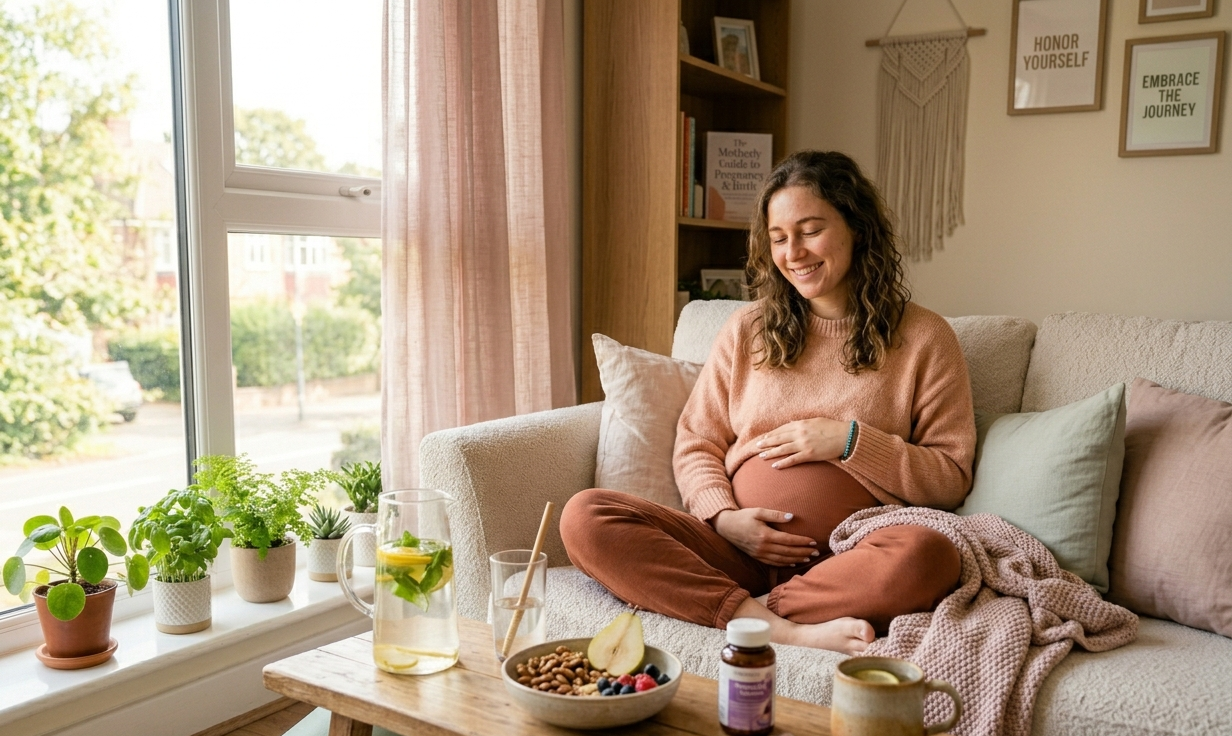
- Pregnancy
- Postpartum recovery
- PCOS
- Menopause
- Thyroid issues
can sometimes influence energy, mood, and desire levels. If hormonal symptoms feel significant, medical guidance can help identify underlying causes.
Poor Sleep and Fatigue Matter More Than People Think
Lack of quality sleep affects:
- Energy
- Mood
- Emotional balance
- Hormonal health
- Stress levels
Exhaustion alone can reduce emotional and physical interest in intimacy naturally. Prioritizing rest is important for both mental and physical wellness.
Anxiety and Low Self-Confidence
Body image struggles, overthinking, emotional insecurity, or anxiety can affect intimacy deeply. Many women silently deal with:
- Feeling unattractive
- Emotional self-doubt
- Pressure to “perform”
- Fear of judgment
Building emotional confidence and self-care habits can help improve comfort and connection gradually.
Certain Medications Can Affect Libido
Some medications may influence sexual desire as a side effect. This may include certain treatments related to:
- Anxiety
- Depression
- Hormonal health
- Blood pressure
Women should always discuss concerns openly with a healthcare professional instead of stopping medication suddenly.
Natural Remedies That May Help
Healthy lifestyle habits can support emotional wellness, hormonal balance, and intimacy naturally over time. Helpful habits may include:
- Regular exercise
- Stress management
- Healthy nutrition
- Better sleep
- Emotional communication
- Spending quality time with your partner
Small lifestyle improvements can sometimes create noticeable emotional and physical benefits.
Exercise Can Improve Mood and Confidence
Physical activity supports:
- Blood circulation
- Energy levels
- Mental wellness
- Confidence
- Stress reduction
Even simple activities like walking, yoga, stretching, or light workouts may help improve emotional and physical well-being naturally.
Emotional Intimacy Is Important
For many women, desire grows more easily through emotional connection rather than pressure. Simple relationship habits like:
- Affection
- Deep conversations
- Feeling emotionally appreciated
- Spending quality time together
- Emotional reassurance
can strengthen intimacy naturally over time.
Don’t Ignore Ongoing Concerns
If low libido feels sudden, severe, emotionally distressing, or connected to other symptoms, professional medical support may help identify possible physical or emotional causes safely. Women deserve support and accurate information without shame or embarrassment.
Final Thoughts
Low libido in women can happen for many emotional, physical, hormonal, and lifestyle-related reasons. It’s important to remember that desire naturally changes throughout life, and every woman’s experience is different.
Instead of blaming yourself, focus on emotional wellness, healthy communication, stress reduction, self-care, and understanding your body with patience and compassion.
At the end of the day, healthy intimacy grows best in environments filled with emotional safety, trust, comfort, respect, and genuine connection.