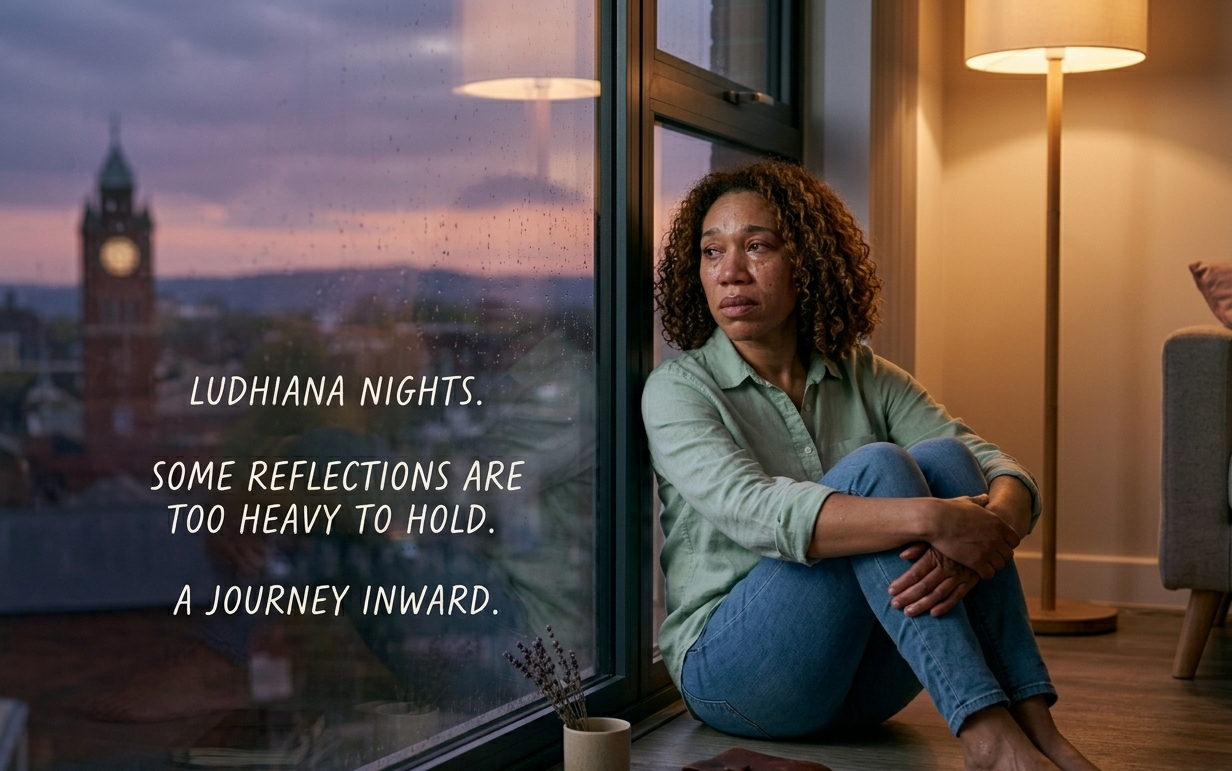









Sometimes your period arrives exactly on time. Other times, it shows up late, early, heavier than usual, or doesn’t come at all. And honestly, it can feel confusing, stressful, and even scary when your body suddenly changes its pattern.
Many women experience irregular periods at some point in life, especially during stressful phases, hormonal changes, or lifestyle shifts. While occasional changes are common, frequent irregular periods can sometimes be your body’s way of asking for attention.
What Are Irregular Periods?
A normal menstrual cycle usually happens every 21 to 35 days. If your periods keep changing every month, skip unexpectedly, last too long, or become unusually heavy or light, they are considered irregular.
Some women may notice:
• Missed periods
• Bleeding between periods
• Very painful cramps
• Heavy blood flow
• Cycles that are too short or too long
These changes can affect both physical and emotional health, especially when they happen repeatedly.
Common Causes of Irregular Periods
There isn’t always one single reason behind irregular periods. In many cases, different lifestyle and health factors play a role.
Stress and Emotional Pressure
Stress can seriously affect hormones. Emotional burnout, anxiety, poor sleep, or constant pressure may delay or disturb your menstrual cycle. Your body reacts to stress more than you realize.
Hormonal Imbalance
Hormones control the menstrual cycle. Conditions like PCOS, thyroid problems, or sudden hormonal shifts can lead to irregular bleeding or missed periods.
Weight Changes and Diet
Sudden weight loss, excessive dieting, unhealthy eating habits, or rapid weight gain can impact your cycle. Your body needs proper nutrition to maintain hormonal balance.
Excessive Exercise
Overworking the body through intense workouts or physical exhaustion may stop or delay periods, especially if the body is not getting enough rest.
Birth Control or Medications
Some medicines and contraceptives can change bleeding patterns temporarily. This is common when starting or changing hormonal birth control methods.
Symptoms You Shouldn’t Ignore
Irregular periods sometimes come with other symptoms that may need medical attention.
Watch for:
• Severe pelvic pain
• Very heavy bleeding
• Periods stopping for months
• Extreme mood swings
• Unusual hair growth or acne
• Dizziness or weakness
• Bleeding after intercourse
If these symptoms continue, it’s important to speak with a healthcare professional instead of ignoring them.
How Irregular Periods Are Treated
Treatment depends on the actual cause. In some cases, simple lifestyle changes can help regulate the cycle naturally.
Doctors may suggest:
• Hormonal treatment
• Birth control pills
• Thyroid treatment
• PCOS management
• Stress reduction techniques
• Better sleep and nutrition habits
Regular exercise, hydration, balanced meals, and managing stress can also improve menstrual health over time.
When Should You See a Doctor?
You should consider medical advice if:
• Your periods suddenly become extremely irregular
• You miss periods frequently
• Bleeding becomes unusually heavy
• Pain interferes with daily life
• Your cycle changes for several months continuously
Listening to your body early can prevent bigger health issues later.
Final Thoughts
Irregular periods are more common than many women think, but that doesn’t mean they should always be ignored. Your menstrual cycle often reflects your overall health, stress levels, and hormonal balance.
Instead of feeling embarrassed or anxious, try paying attention to the signals your body gives you. Small changes in lifestyle, proper care, and timely medical support can make a huge difference in restoring balance and helping you feel healthier again.