







Perimenopause Symptoms
Perimenopause symptoms lead to noticeable physical and emotional changes. Many women believe menopause happens suddenly, but in reality, the body usually goes through a transition called perimenopause. During this stage, hormone levels especially estrogen and progesterone, begin to fluctuate.
Perimenopause is a natural part of aging and usually begins in the 40s, although some women may experience it earlier. The symptoms can vary from person to person, and they may come and go over several years before menopause officially begins.
Understanding perimenopause symptoms can help you recognize what’s happening in your body, make healthy lifestyle changes, and know when it’s time to speak with a healthcare professional.
What Is Perimenopause?
Perimenopause is the period leading up to menopause when the ovaries gradually produce less estrogen.
Unlike menopause, where menstrual periods have completely stopped for 12 consecutive months, women in perimenopause still have periods, although they often become irregular.
This transition can last anywhere from a few months to several years.
What Age Does Perimenopause Usually Start?
Most women begin perimenopause between the ages of 40 and 45, although some may notice changes in their late 30s.
Several factors may influence when it starts, including:
- Family history
- Smoking
- Certain medical treatments
- Overall health
Every woman’s experience is different.
Common Perimenopause Symptoms
Irregular Periods
One of the earliest signs is a change in your menstrual cycle.
You may notice:
- Longer or shorter cycles
- Heavier bleeding
- Lighter periods
- Missed periods
Because hormone levels fluctuate, these changes are common during perimenopause.
Hot Flashes and Night Sweats and also many women experience sudden feelings of warmth that spread across the face, neck, and chest.
These episodes may be accompanied by:
- Sweating
- Flushed skin
- Chills afterward
Night sweats can also interrupt sleep.
Mood Swings
Hormonal fluctuations may affect emotional well-being.
Some women experience:
- Irritability
- Anxiety
- Feeling overwhelmed
- Low mood
- Increased sensitivity
If these feelings become severe or persistent, speak with a healthcare professional.
Trouble Sleeping
Changes in hormone levels can make it difficult to fall asleep or stay asleep.
Poor sleep may also contribute to fatigue, mood changes, and reduced concentration.
Creating a relaxing bedtime routine may help improve sleep quality.
Brain Fog
Many women notice temporary changes in memory and concentration.
You may find yourself:
- Forgetting small things
- Having difficulty focusing
- Feeling mentally slower than usual
These symptoms are often temporary but can be frustrating.
Vaginal Dryness
Lower estrogen levels may reduce natural lubrication.
This can lead to:
- Dryness
- Discomfort
- Irritation
If symptoms affect your quality of life, seek medical advice for suitable treatment options.
Changes in Skin and Hair
Hormonal changes may affect your appearance.
Some women notice:
- Drier skin
- Reduced skin elasticity
- Hair thinning
- Increased hair shedding
A healthy diet and proper skincare routine can support overall skin and hair health.
Weight Changes
Many women find it easier to gain weight during perimenopause, especially around the abdomen.
Factors include:
- Hormonal changes
- Reduced muscle mass
- Slower metabolism
- Lifestyle habits
Regular exercise and balanced nutrition can help maintain a healthy weight.
What Causes These Symptoms?
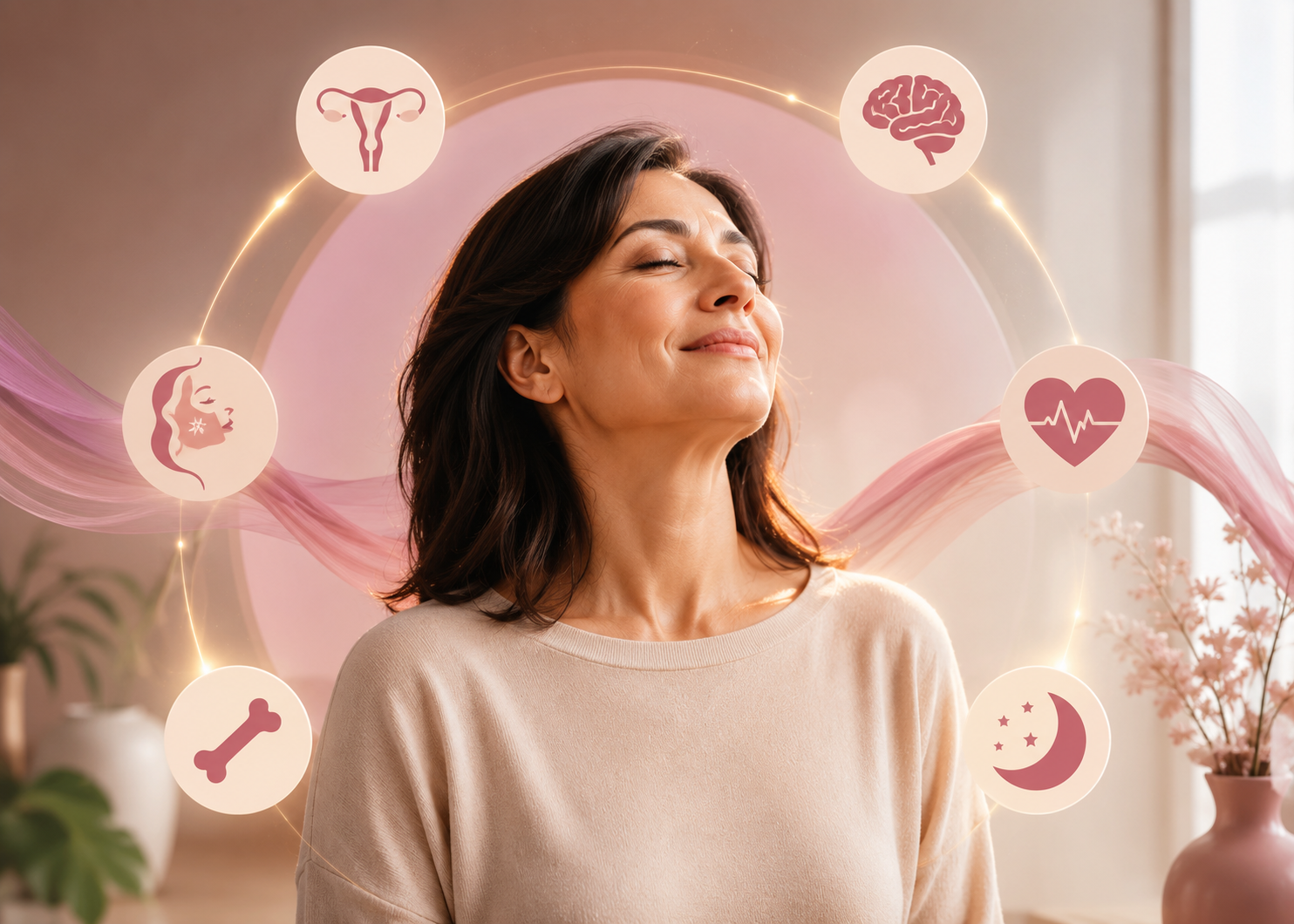
The primary cause is the natural decline and fluctuation of estrogen and progesterone.
These hormones affect many body systems, including:
- Reproductive health
- Bone health
- Brain function
- Skin
- Heart health
- Mood
- Sleep
Because hormones influence so many areas, symptoms can vary widely.
How to Manage Perimenopause Symptoms Naturally
Simple lifestyle habits can make a significant difference.
Consider:
- Eating a balanced diet rich in calcium and protein.
- Staying physically active.
- Maintaining a healthy weight.
- Getting enough sleep.
- Managing stress through meditation or yoga.
- Limiting smoking and excessive alcohol.
These habits support overall health during hormonal changes.
You can also read: Daily Habits to Improve Mental Health
When Should You See a Doctor?
Consult a healthcare professional if you experience:
- Extremely heavy bleeding
- Bleeding between periods
- Severe pain
- Persistent depression or anxiety
- Symptoms that interfere with daily life
Early evaluation can help rule out other health conditions and identify the best treatment options.
Common Myths About Perimenopause
Myth: It starts only after age 50.
Fact: Many women begin experiencing symptoms in their 40s or even late 30s.
Myth: Every woman has the same symptoms.
Fact: Symptoms vary widely in type and severity.
Myth: Perimenopause means you’re no longer healthy.
Fact: It is a normal life stage, not a disease.
Tips for Staying Healthy During Perimenopause
- Stay active.
- Eat nutrient-rich foods.
- Stay hydrated.
- Prioritize sleep.
- Keep regular health checkups.
- Practice stress management.
- Listen to your body.
Small daily habits can make this transition smoother.
You can also read: New Mom Self Care Essential Tips Every Mother Needs for a Healthier and Happier Life
Conclusion
Perimenopause is a natural stage of life that marks the transition toward menopause. Although symptoms like irregular periods, hot flashes, mood swings, and sleep problems can be challenging, understanding these changes can help you manage them with greater confidence.
By maintaining a healthy lifestyle, staying informed, and seeking medical advice when needed, you can support your physical and emotional well-being throughout this transition. Remember, every woman’s journey is unique, and taking care of your health today can make the years ahead healthier and more comfortable.
Frequently Asked Questions
What is perimenopause?
Perimenopause is the transitional stage before menopause when hormone levels begin to fluctuate and menstrual cycles become irregular.
At what age does perimenopause usually begin?
Most women experience perimenopause between the ages of 40 and 45, though it can start earlier.
How long does perimenopause last?
It can last anywhere from a few months to several years before menopause occurs.
Can lifestyle changes help manage perimenopause symptoms?
Yes. Healthy eating, regular exercise, quality sleep, stress management, and routine medical care can help reduce symptoms.
Is perimenopause the same as menopause?
No. Perimenopause is the transition before menopause. Menopause is officially diagnosed after 12 consecutive months without a menstrual period.