








Healthy intimacy is not only about emotional connection and physical closeness — it’s also about safety, respect, trust, and protecting each other’s health. Many couples avoid talking openly about sexual wellness because it feels awkward or uncomfortable, but safe sex is an important part of every healthy relationship.
Practicing safe sex helps couples feel more confident, emotionally secure, and physically protected while building a healthier intimate connection together.
Communication Should Always Come First
Open communication is one of the most important parts of safe intimacy.
Couples should feel comfortable discussing:
- Boundaries
- Protection
- Comfort levels
- Sexual health
- Concerns or questions
Healthy conversations create trust and reduce confusion or pressure.
Consent Must Always Be Clear
Consent is essential in every relationship, including long-term relationships.
Healthy intimacy should always involve:
- Mutual comfort
- Respect
- Willing participation
- Emotional safety
Consent should never come from pressure, guilt, fear, or emotional manipulation.
Use Protection Consistently
Using protection helps reduce the risk of:
- Sexually transmitted infections (STIs)
- Unplanned pregnancy
Protection is not a sign of distrust — it’s a sign of responsibility and care for both partners.
Couples should stay informed about different protection options and choose what works best for their health and lifestyle.
Regular Health Checkups Matter
Sexual wellness is part of overall health.
Regular medical checkups and sexual health screenings help couples:
- Stay informed
- Detect issues early
- Protect each other’s health
- Feel more confident and safe
Taking care of your health together can strengthen trust in the relationship.
Respect Personal Boundaries
Every person has different comfort levels when it comes to intimacy.
Healthy partners respect:
- Emotional boundaries
- Physical comfort
- Personal choices
- Communication about limits
No one should ever feel forced to do something they are uncomfortable with.
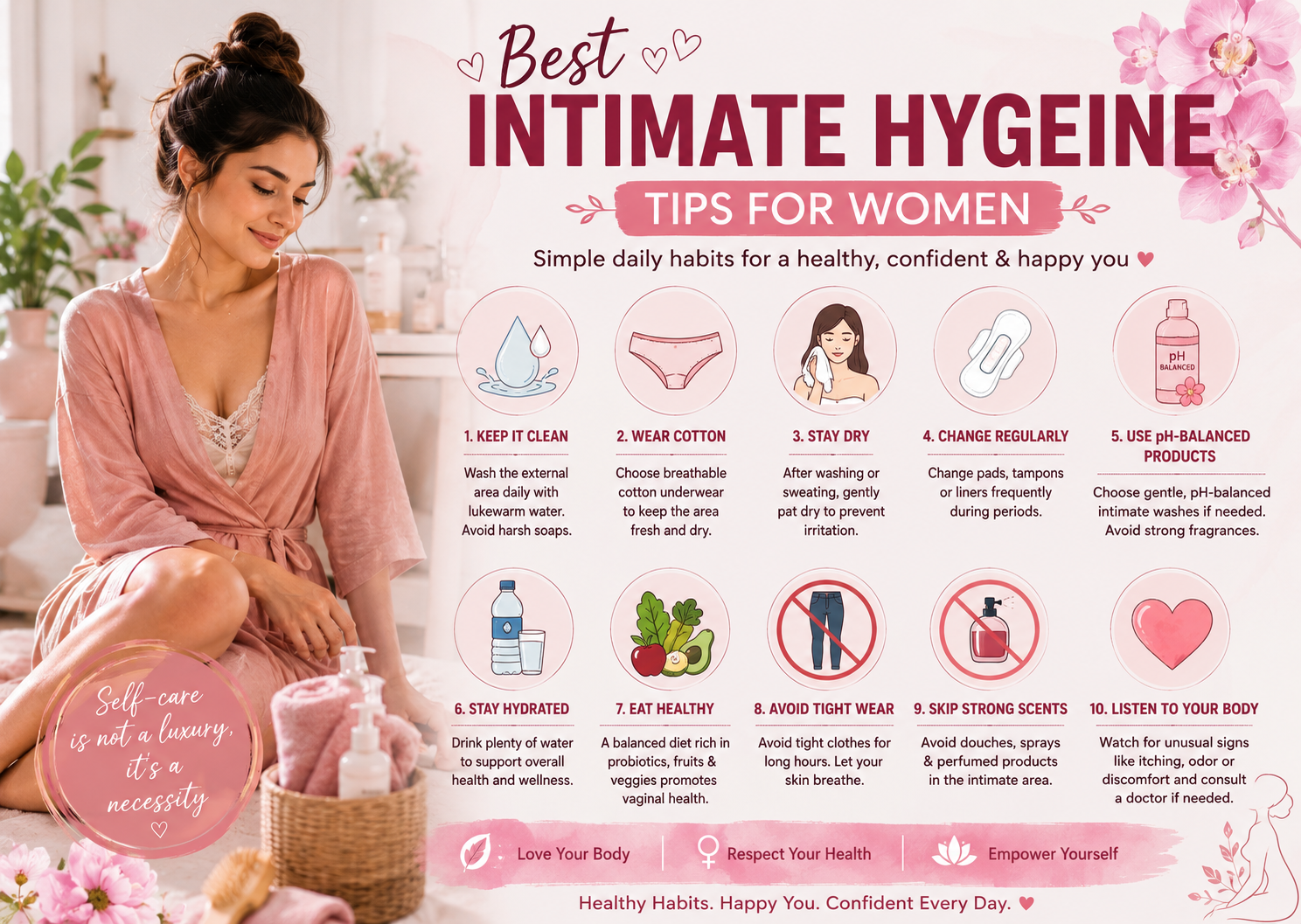
Hygiene Is Extremely Important
Basic intimate hygiene helps support comfort, cleanliness, and overall wellness.
Healthy habits include:
- Showering regularly
- Wearing clean breathable underwear
- Maintaining personal hygiene
- Staying hydrated
- Using clean products carefully
Good hygiene supports both physical and emotional comfort in relationships.
Avoid Relying on Internet Myths
Social media and online misinformation can create unhealthy or unrealistic ideas about intimacy and sexual health.
Always rely on:
- Trusted health information
- Medical professionals
- Accurate sexual wellness education
Healthy intimacy is based on safety, respect, and emotional maturity — not online pressure or unrealistic expectations.
Emotional Safety Matters Too
Safe sex is not only physical — emotional comfort matters equally.
Healthy intimacy should make both partners feel:
- Respected
- Safe
- Comfortable
- Emotionally cared for
- Understood
Emotional trust strengthens physical intimacy naturally.
Don’t Ignore Pain or Discomfort
Pain, discomfort, or unusual symptoms should never be ignored.
If either partner experiences:
- Physical pain
- Irritation
- Unusual symptoms
- Emotional discomfort
it’s important to communicate openly and seek medical advice when needed.
Your health should always be taken seriously.
Build Intimacy Through Trust, Not Pressure
Healthy intimacy grows naturally through:
- Communication
- Respect
- Patience
- Emotional connection
- Mutual understanding
No healthy relationship should involve emotional pressure, fear, manipulation, or discomfort around intimacy.
Final Thoughts
Safe sex practices are an important part of every healthy relationship. Protecting each other physically and emotionally shows maturity, care, responsibility, and respect.
At the end of the day, true intimacy should make both partners feel emotionally secure, physically safe, respected, and comfortable — because healthy love always includes protection, trust, and mutual care.