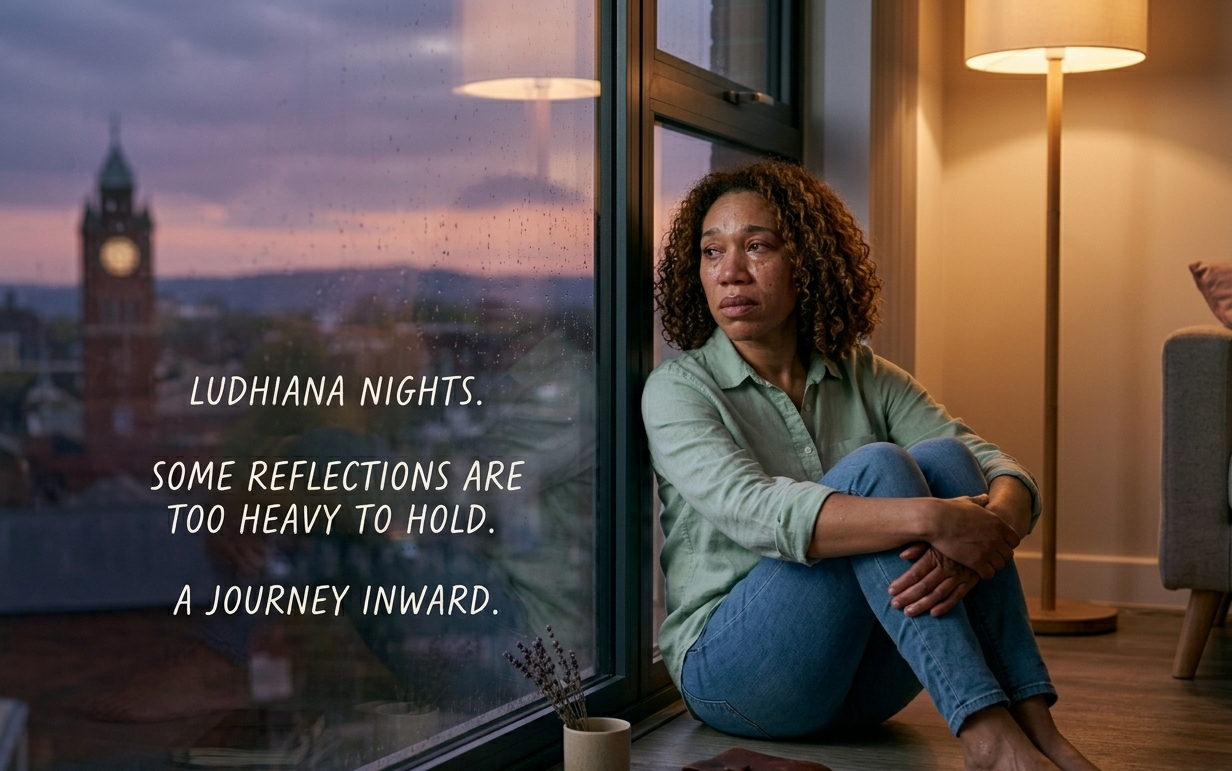









Sometimes emotional pain doesn’t look obvious from the outside. A woman may still smile, go to work, reply to messages, take care of everyone around her, and continue handling daily responsibilities while silently struggling inside. Anxiety and depression often hide behind exhaustion, overthinking, mood changes, or simply feeling emotionally “off” for a long time.
Mental health struggles are more common than many people realize, especially among women balancing pressure, relationships, hormones, work stress, family expectations, and emotional burnout all at once.
Constant Overthinking and Worry
One of the most common signs of anxiety is nonstop worrying. The mind keeps racing even during quiet moments.
Women experiencing anxiety may:
• Overanalyse conversations
• Fear worst-case situations
• Feel restless constantly
• Struggle to relax
• Have trouble concentrating
Even small situations can start feeling mentally overwhelming.
Feeling Emotionally Drained All the Time
Depression does not always look like sadness. Sometimes it feels more like emotional numbness, exhaustion, or losing interest in things that once felt enjoyable.
Simple daily tasks may suddenly feel heavy and emotionally tiring.
Changes in Sleep Patterns
Mental health struggles often affect sleep.
Some women experience:
• Trouble falling asleep
• Waking up repeatedly at night
• Sleeping too much
• Feeling tired even after resting
Poor sleep can also make anxiety and depression feel worse over time.
Mood Swings and Irritability
Feeling emotionally sensitive, irritated, or easily overwhelmed may also be connected to anxiety or depression.
Small situations may suddenly trigger:
• Anger
• Crying
• Frustration
• Panic
• Emotional shutdown
Hormonal changes can sometimes intensify these feelings too.
Physical Symptoms of Anxiety
Anxiety doesn’t only affect emotions. It can also appear physically in the body.
Common physical symptoms may include:
• Chest tightness
• Fast heartbeat
• Headaches
• Stomach discomfort
• Muscle tension
• Shaking or sweating
Many women don’t immediately realize stress and anxiety can affect the body so strongly.
Losing Interest in Social Life
Women struggling emotionally may slowly start avoiding social situations, messages, phone calls, or activities they once enjoyed.
Isolation often happens quietly and gradually.
Constant Self-Doubt and Low Confidence
Depression and anxiety can deeply affect self-esteem. Some women begin feeling:
• “Not good enough”
• Unmotivated
• Emotionally disconnected
• Hopeless about the future
Negative self-talk can become mentally exhausting over time.
When Should You Seek Help?
If symptoms continue for weeks and start affecting daily life, relationships, sleep, work, or emotional health, professional support can truly help.
Seeking help is not weakness. Mental health deserves care just like physical health does.
Support may include:
• Therapy
• Counseling
• Lifestyle changes
• Medical treatment
• Emotional support systems
Final Thoughts
Anxiety and depression are not personality flaws, attention-seeking, or signs of weakness. They are real emotional health struggles that many women silently experience every day.
You do not need to wait until things become unbearable before asking for support. Sometimes healing begins simply by acknowledging that your mind deserves care, rest, understanding, and compassion too.