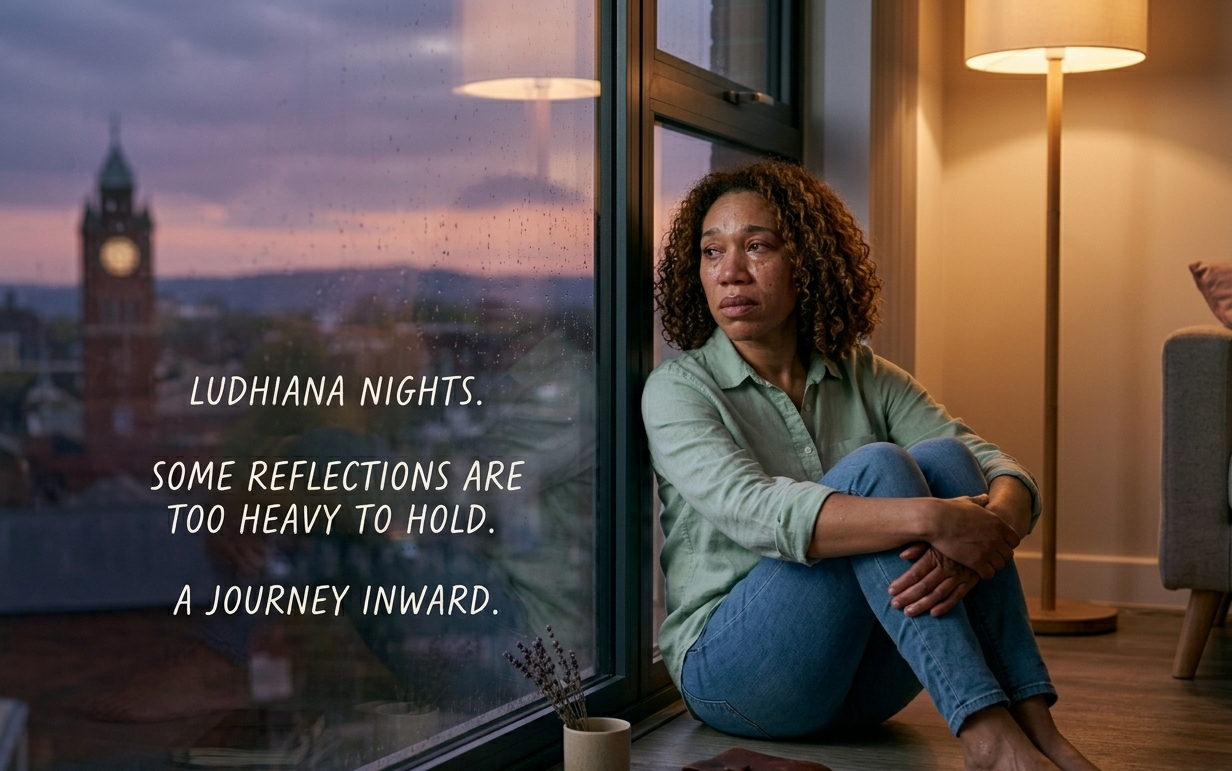









Sometimes your body starts changing in ways that feel confusing. Your periods become unpredictable, your skin suddenly breaks out more often, you feel tired all the time, or your weight changes without any clear reason. Many women ignore these signs for years, thinking it’s just stress or “normal hormones.”
But sometimes, these symptoms may be connected to PCOS — one of the most common hormonal conditions affecting women today.
What Is PCOS?
PCOS, also known as Polycystic Ovary Syndrome, is a hormonal condition that affects how the ovaries work. It can impact periods, hormones, fertility, skin, weight, and even emotional health.
The symptoms can look different for every woman, which is why many people don’t realize they may have PCOS until much later.
Irregular or Missed Periods
One of the biggest signs of PCOS is an irregular menstrual cycle. Some women get periods very late, while others may skip them for months.
Hormonal imbalance can affect ovulation, which often causes unpredictable periods or unusually heavy bleeding when periods finally happen.
Acne and Oily Skin
Persistent acne, especially around the jawline, chin, or cheeks, can sometimes be linked to PCOS. Hormonal changes may increase oil production in the skin, leading to breakouts that don’t easily go away.
Many women notice that their acne feels more hormonal and harder to control than regular skin issues.
Excess Hair Growth
PCOS may cause unwanted hair growth on areas like the face, chin, chest, or stomach. This happens because of higher androgen levels, which are often called male hormones.
At the same time, some women also experience hair thinning or increased hair fall from the scalp.
Weight Gain and Difficulty Losing Weight
Many women with PCOS struggle with weight changes, especially around the stomach area. Even with exercise and healthy eating, losing weight can sometimes feel unusually difficult.
This often happens because PCOS can affect insulin levels and metabolism.
Mood Swings and Low Energy
PCOS doesn’t only affect the body physically. It can also impact emotional well-being.
Some women experience:
• Mood swings
• Anxiety
• Low confidence
• Fatigue
• Trouble sleeping
• Emotional burnout
Hormonal imbalance can affect mental health more than many people realize.
Fertility Challenges
PCOS can sometimes make it harder to get pregnant because ovulation may not happen regularly. However, many women with PCOS still go on to have healthy pregnancies with proper medical support and lifestyle management.
When Should You See a Doctor?
If you notice multiple symptoms together, it’s important not to ignore them. Early diagnosis can help manage PCOS more effectively and reduce future health complications.
A healthcare professional may recommend hormone testing, ultrasound scans, or lifestyle changes depending on your symptoms.
Final Thoughts
PCOS is more common than many women think, and struggling with symptoms does not make you “lazy” or “dramatic.” Your body may simply be trying to tell you that something needs attention.
Understanding the signs early can help you take better care of your health, feel more in control of your body, and get the support you deserve.