







Hormones affect your mood in ways many people don’t realize. These chemical messengers play an important role in regulating emotions, energy levels, sleep patterns, appetite, and overall well-being. When hormone levels fluctuate, they can influence how you feel physically and emotionally, sometimes causing noticeable changes in mood and behavior.
One day you feel energetic, confident, and emotionally balanced. The next day, even small things feel overwhelming, your skin suddenly breaks out, and your body feels completely different. It’s frustrating, confusing, and honestly exhausting sometimes.
What many women don’t realize is that hormones quietly influence almost everything happening inside the body. From mood swings and sleep patterns to energy levels, cravings, skin changes, and periods, hormones play a huge role in how you feel every single day.
What Are Hormones?
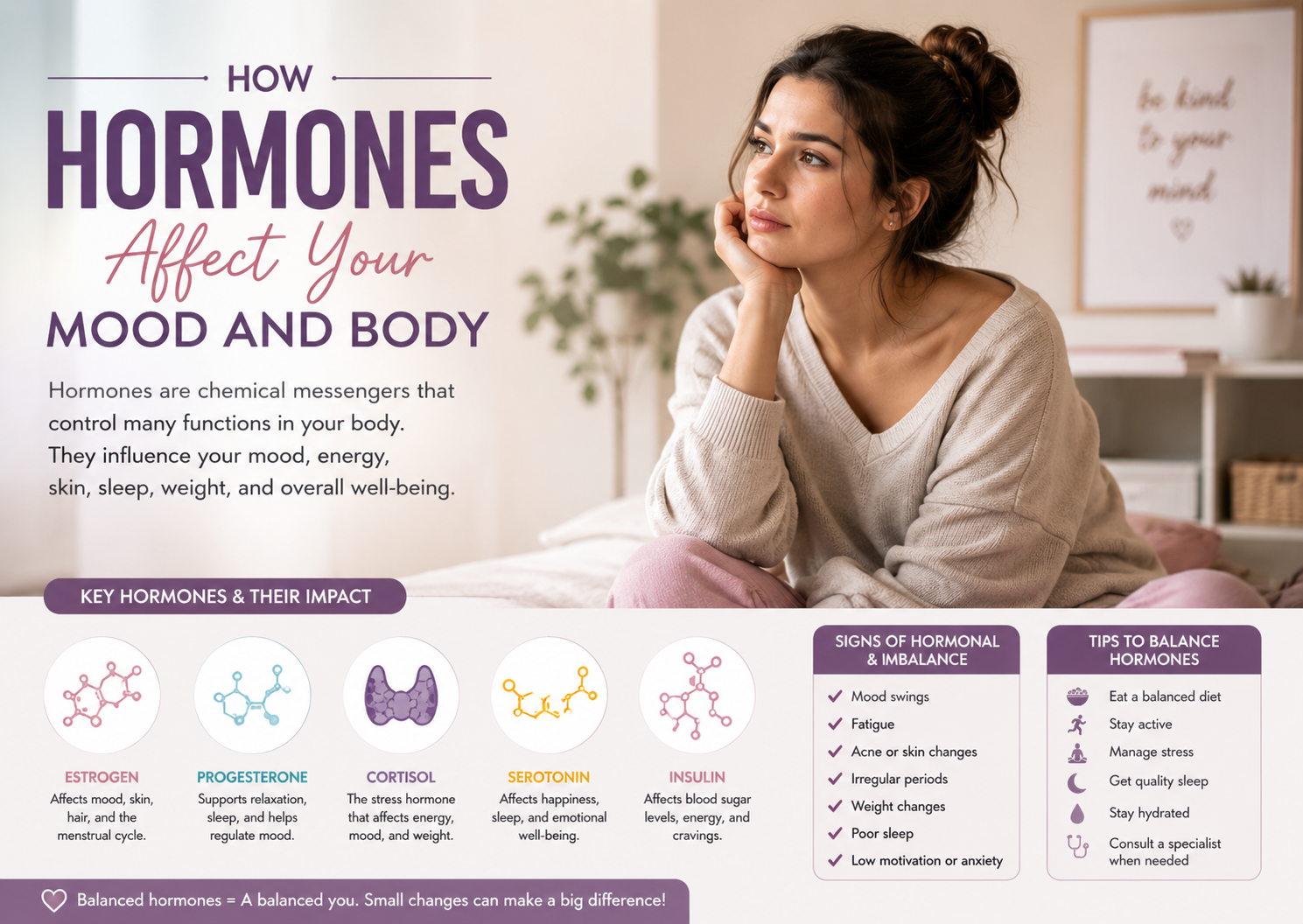
Hormones are chemical messengers made by glands in the body. They travel through the bloodstream and control important functions like mood, metabolism, sleep, reproduction, appetite, and emotions.
Even a small hormonal imbalance can affect both physical and emotional health. That’s why your body sometimes reacts differently during periods, stress, pregnancy, or major lifestyle changes.
How Hormones Affect Your Mood
Hormonal changes can seriously impact emotions and mental well-being. Many women notice emotional shifts during certain phases of their menstrual cycle without fully understanding why it happens.
Mood Swings and Irritability
Fluctuations in estrogen and progesterone can cause sudden mood changes. You may feel emotional, irritated, anxious, or overly sensitive for no clear reason.
Anxiety and Stress
High stress levels increase cortisol, also known as the stress hormone. When cortisol stays elevated for too long, it can affect sleep, energy, focus, and emotional balance.
Low Motivation and Fatigue
Hormonal imbalance may leave you feeling mentally drained or physically exhausted, even after getting enough rest.
How Hormones Affect Your Body
Hormones don’t just affect emotions. They also influence many visible changes in the body.
Skin and Acne
Hormonal fluctuations can increase oil production, leading to breakouts, acne, or dull skin, especially around periods.
Weight Changes
Some hormones affect metabolism and appetite. This can lead to sudden cravings, bloating, water retention, or difficulty maintaining weight.
Sleep Problems
Hormonal imbalance may disturb sleep patterns, causing insomnia, restless nights, or daytime fatigue.
Hair Changes
Hair thinning, hair fall, or unexpected facial hair growth can sometimes be linked to hormone-related conditions like PCOS.
Common Causes of Hormonal Imbalance
Several lifestyle and health factors can disturb hormonal balance, including:
• Stress and emotional burnout
• Poor sleep routine
• Unhealthy eating habits
• Lack of physical activity
• PCOS or thyroid issues
• Pregnancy or menopause
• Certain medications
Modern lifestyles often make hormonal imbalance more common than people think.
Simple Ways to Support Hormonal Health
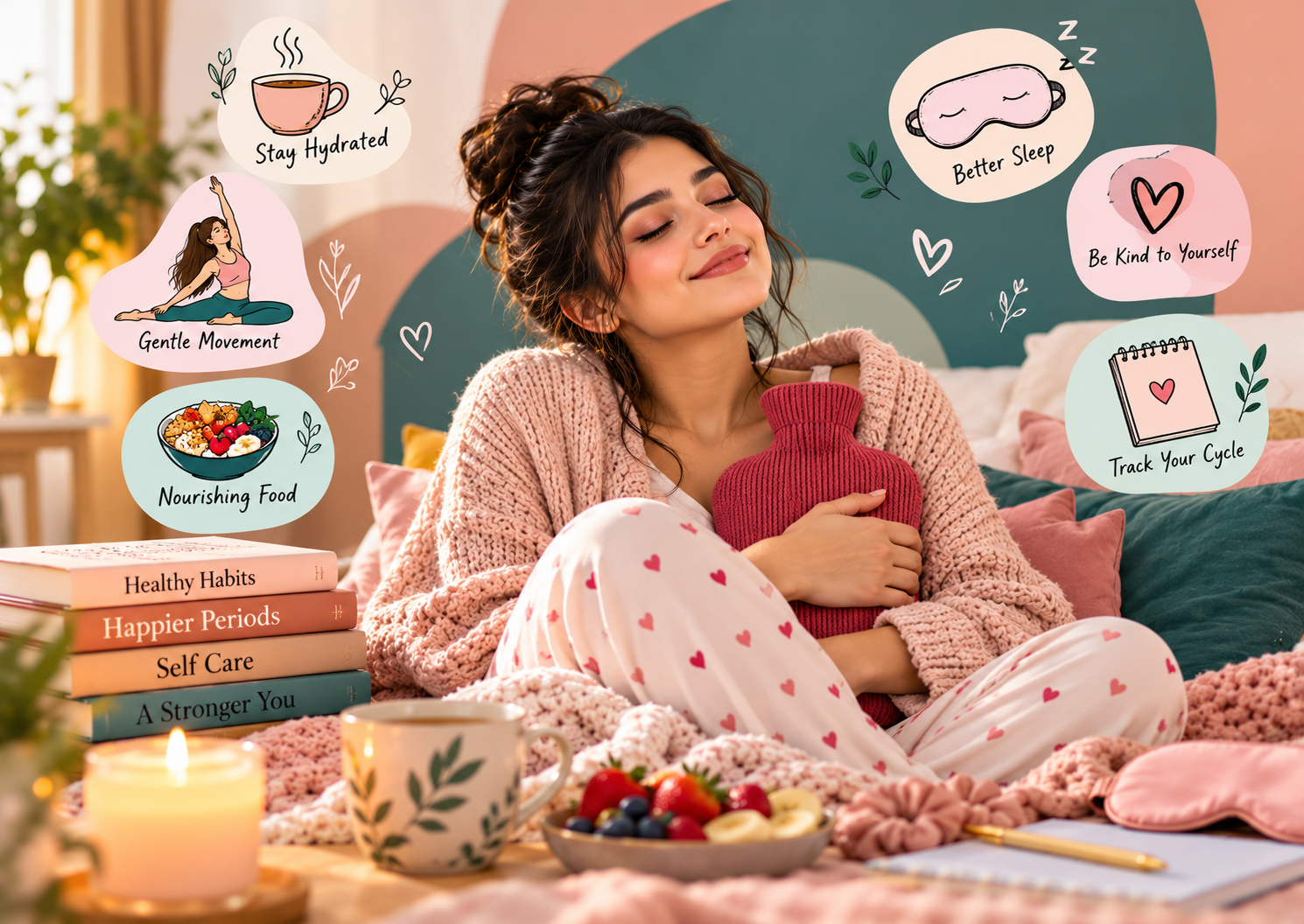
Small daily habits can make a big difference when it comes to balancing hormones naturally.
Try focusing on:
• Getting quality sleep
• Eating balanced and nutritious meals
• Managing stress levels
• Staying physically active
• Drinking enough water
• Reducing excessive sugar and processed food
Listening to your body instead of ignoring symptoms is one of the most important steps toward better health.
Final Thoughts
Hormones affect far more than just periods. They influence emotions, energy, confidence, sleep, skin, and overall well-being. When your hormones feel out of balance, your whole body can feel different.
Instead of blaming yourself for every mood swing or physical change, try understanding what your body may be trying to communicate. Paying attention to hormonal health can help you feel more balanced, healthier, and emotionally stronger over time.