








Sex is often talked about in confusing, unrealistic, or uncomfortable ways, especially online and on social media. Many women grow up with questions, curiosity, fears, or misinformation about intimacy but rarely receive honest, healthy, and emotionally balanced guidance.
The truth is, sex is not only physical. It also involves emotions, communication, comfort, trust, safety, and self-awareness. Understanding your body and your boundaries can help you feel more confident, informed, and emotionally secure in intimate relationships.
Consent Always Comes First
One of the most important things every woman should understand is that consent matters in every relationship.
Healthy intimacy should always involve:
- Mutual comfort
- Clear communication
- Respect
- Emotional safety
- Personal choice
You should never feel pressured, forced, manipulated, or emotionally guilty into doing anything you are uncomfortable with.
Emotional Comfort Is Important
Physical attraction alone does not automatically create emotional readiness.
Before intimacy, many women naturally need:
- Trust
- Emotional connection
- Safety
- Respect
- Comfort with their partner
Feeling emotionally safe can make intimacy feel healthier and more positive.
Communication Makes Intimacy Better
Talking openly with your partner about:
- Boundaries
- Comfort levels
- Preferences
- Concerns
- Protection
helps create healthier and safer experiences.
Good communication reduces awkwardness, confusion, and emotional pressure.
Protection and Safe Sex Matter
Understanding sexual health is extremely important.
Using protection can help prevent:
- Sexually transmitted infections (STIs)
- Unplanned pregnancy
It’s also important to stay informed about:
- Regular health checkups
- Reproductive health
- Menstrual health
- Contraception options
Taking care of your sexual health is part of taking care of your overall well-being.
Every Woman’s Body Is Different
There is no “normal” timeline, experience, or body type when it comes to intimacy.
Every woman experiences:
- Attraction
- Comfort
- Desire
- Emotional connection
- Physical experiences
differently.
Avoid comparing yourself to unrealistic movies, social media, or online expectations.
You Are Allowed to Set Boundaries
Healthy relationships respect personal boundaries completely.
You are always allowed to:
- Say no
- Slow things down
- Change your mind
- Ask questions
- Communicate discomfort
Real intimacy should never make you feel emotionally unsafe or pressured.
Intimacy Should Never Be Based on Fear
Some people feel pressure to become intimate because they fear:
- Losing the relationship
- Disappointing their partner
- Being judged
- Feeling “behind”
But healthy intimacy should come from personal comfort and emotional readiness, not fear or pressure.
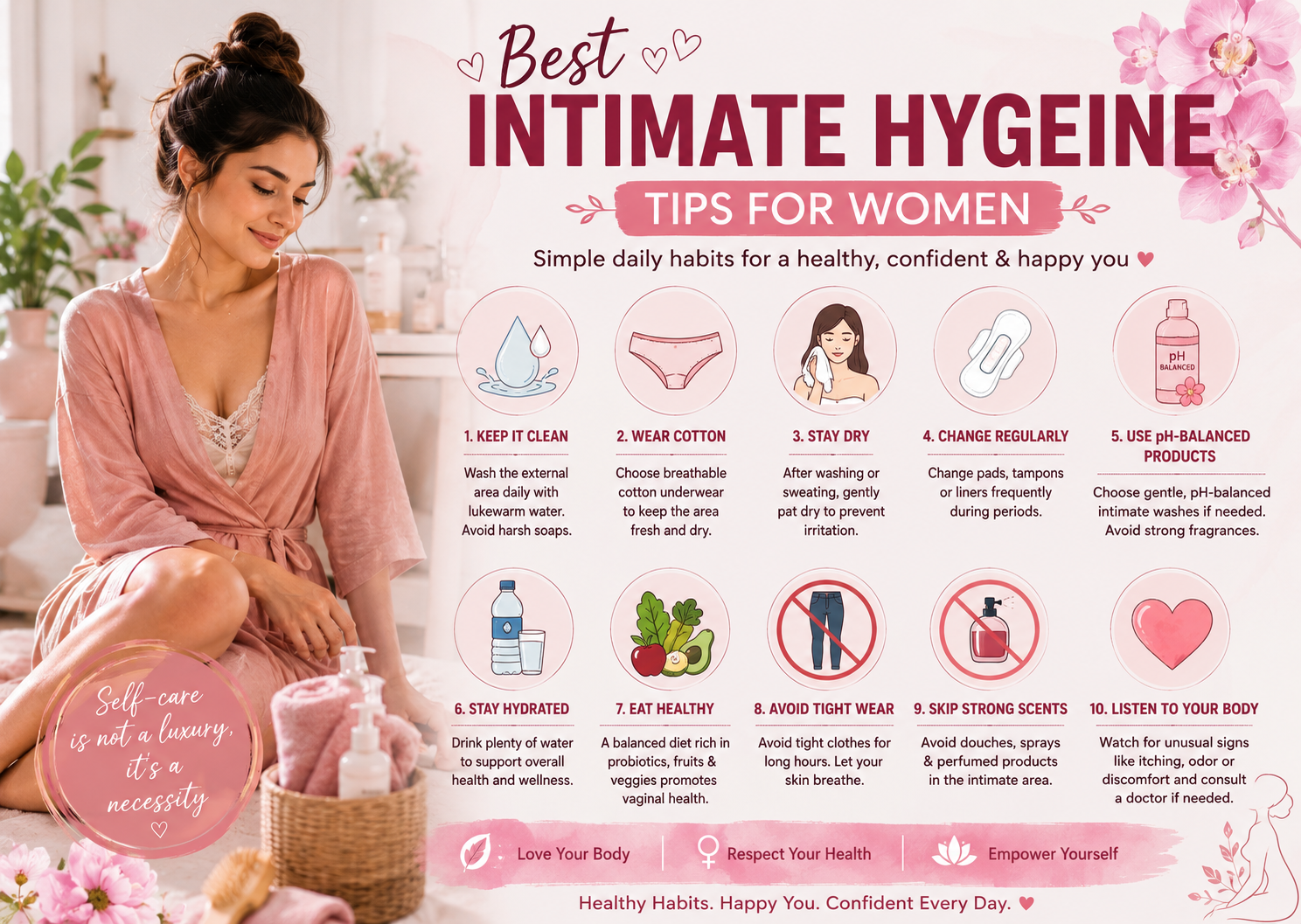
Hygiene and Self-Care Matter
Basic intimate hygiene is important for comfort and health.
Simple healthy habits include:
- Wearing clean breathable underwear
- Maintaining daily hygiene
- Staying hydrated
- Practicing safe sex
- Avoiding harsh products around intimate areas
Taking care of your body helps support confidence and wellness.
Emotional Aftercare Is Real
After intimacy, emotional connection still matters.
Feeling emotionally cared for through:
- Affection
- Reassurance
- Communication
- Respect
can strengthen emotional intimacy and trust in relationships.
Don’t Believe Unrealistic Online Expectations
Movies, social media, and internet content often create unrealistic ideas about sex and relationships.
Real intimacy is not about perfection or performance. It’s about:
- Comfort
- Communication
- Trust
- Respect
- Emotional connection
Healthy relationships feel emotionally safe, not emotionally stressful. You can also check Common Sex Myths That Are Completely Wrong
Final Thoughts
Learning about sex should never feel shameful or confusing. Every woman deserves accurate, healthy, and respectful information about intimacy, emotional safety, boundaries, and sexual wellness.
At the end of the day, intimacy should make you feel respected, comfortable, emotionally safe, and genuinely valued — never pressured, confused, or afraid to express your needs and boundaries.
Sex is often talked about in confusing, unrealistic, or uncomfortable ways, especially online and on social media. Many women grow up with questions, curiosity, fears, or misinformation about intimacy but rarely receive honest, healthy, and emotionally balanced guidance.
The truth is, sex is not only physical. It also involves emotions, communication, comfort, trust, safety, and self-awareness. Understanding your body and your boundaries can help you feel more confident, informed, and emotionally secure in intimate relationships.
Consent Always Comes First
One of the most important things every woman should understand is that consent matters in every relationship.
Healthy intimacy should always involve:
- Mutual comfort
- Clear communication
- Respect
- Emotional safety
- Personal choice
You should never feel pressured, forced, manipulated, or emotionally guilty into doing anything you are uncomfortable with.
Emotional Comfort Is Important
Physical attraction alone does not automatically create emotional readiness.
Before intimacy, many women naturally need:
- Trust
- Emotional connection
- Safety
- Respect
- Comfort with their partner
Feeling emotionally safe can make intimacy feel healthier and more positive.
Communication Makes Intimacy Better
Talking openly with your partner about:
- Boundaries
- Comfort levels
- Preferences
- Concerns
- Protection
helps create healthier and safer experiences.
Good communication reduces awkwardness, confusion, and emotional pressure.
Protection and Safe Sex Matter
Understanding sexual health is extremely important.
Using protection can help prevent:
- Sexually transmitted infections (STIs)
- Unplanned pregnancy
It’s also important to stay informed about:
- Regular health checkups
- Reproductive health
- Menstrual health
- Contraception options
Taking care of your sexual health is part of taking care of your overall well-being.
Every Woman’s Body Is Different
There is no “normal” timeline, experience, or body type when it comes to intimacy.
Every woman experiences:
- Attraction
- Comfort
- Desire
- Emotional connection
- Physical experiences
differently.
Avoid comparing yourself to unrealistic movies, social media, or online expectations.
You Are Allowed to Set Boundaries
Healthy relationships respect personal boundaries completely.
You are always allowed to:
- Say no
- Slow things down
- Change your mind
- Ask questions
- Communicate discomfort
Real intimacy should never make you feel emotionally unsafe or pressured.
Intimacy Should Never Be Based on Fear
Some people feel pressure to become intimate because they fear:
- Losing the relationship
- Disappointing their partner
- Being judged
- Feeling “behind”
But healthy intimacy should come from personal comfort and emotional readiness, not fear or pressure.
Hygiene and Self-Care Matter
Basic intimate hygiene is important for comfort and health.
Simple healthy habits include:
- Wearing clean breathable underwear
- Maintaining daily hygiene
- Staying hydrated
- Practicing safe sex
- Avoiding harsh products around intimate areas
Taking care of your body helps support confidence and wellness.
Emotional Aftercare Is Real
After intimacy, emotional connection still matters.
Feeling emotionally cared for through:
- Affection
- Reassurance
- Communication
- Respect
can strengthen emotional intimacy and trust in relationships.
Don’t Believe Unrealistic Online Expectations
Movies, social media, and internet content often create unrealistic ideas about sex and relationships.
Real intimacy is not about perfection or performance. It’s about:
- Comfort
- Communication
- Trust
- Respect
- Emotional connection
Healthy relationships feel emotionally safe, not emotionally stressful.
Final Thoughts
Learning about sex should never feel shameful or confusing. Every woman deserves accurate, healthy, and respectful information about intimacy, emotional safety, boundaries, and sexual wellness.
At the end of the day, intimacy should make you feel respected, comfortable, emotionally safe, and genuinely valued — never pressured, confused, or afraid to express your needs and boundaries.