







Introduction
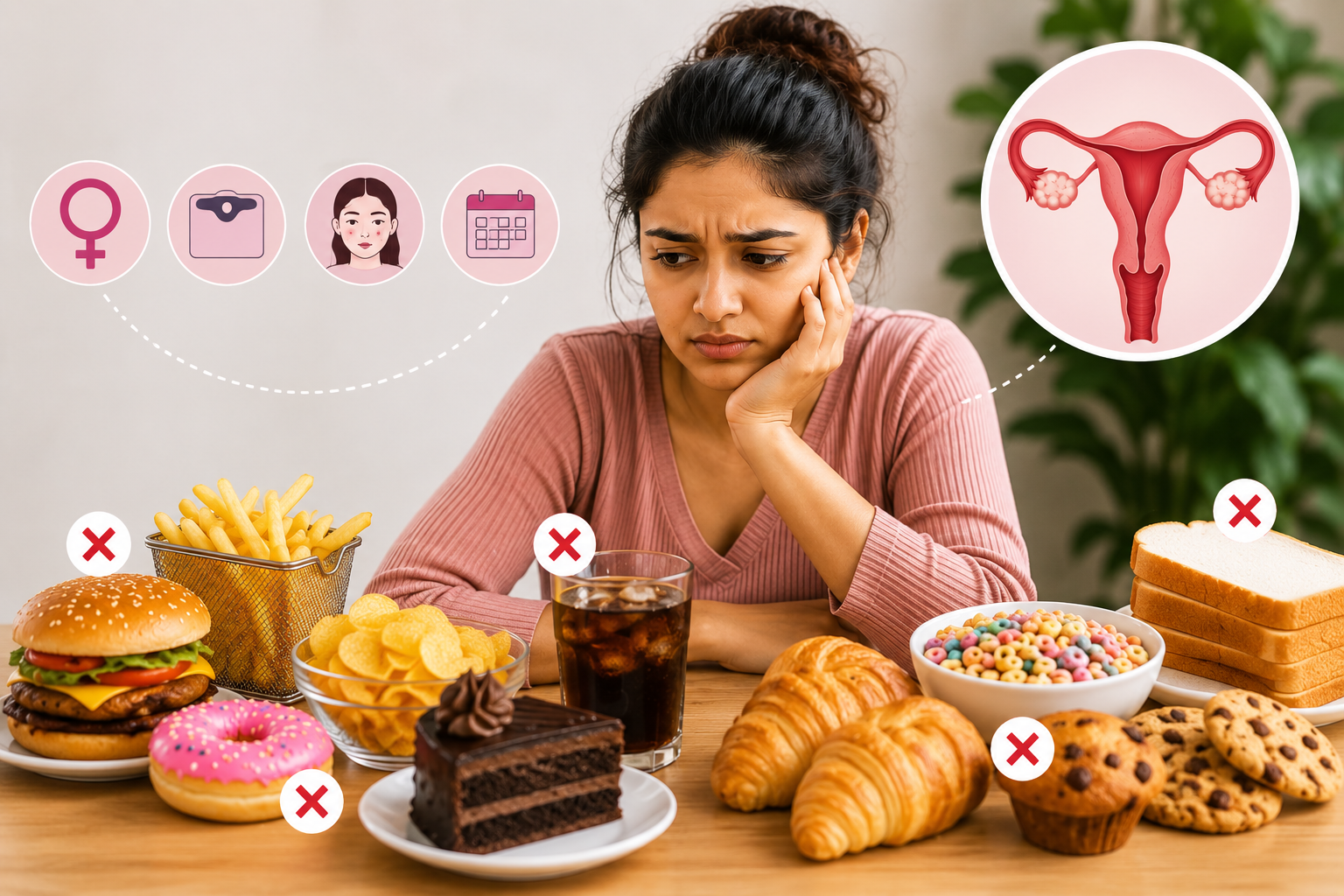
Worst Foods for PCOS is a topic every woman struggling with hormonal imbalance should understand. Polycystic Ovary Syndrome (PCOS) affects millions of women worldwide and can lead to symptoms such as irregular periods, weight gain, acne, fertility challenges, and insulin resistance.
While genetics and lifestyle factors play a role, diet can significantly influence PCOS symptoms. Certain foods can worsen inflammation, increase insulin resistance, and disrupt hormone balance. Understanding which foods to avoid can help you manage symptoms more effectively and support long-term health.
In this guide, we’ll explore the worst foods for PCOS and explain why they may be harming your hormonal health.
Why Diet Matters in PCOS Management
PCOS is closely linked to insulin resistance and inflammation. When blood sugar levels spike frequently, the body produces more insulin. High insulin levels can trigger excess androgen production, leading to many common PCOS symptoms.
Choosing the right foods can help:
- Balance hormones
- Improve insulin sensitivity
- Support weight management
- Reduce inflammation
- Improve fertility outcomes
On the other hand, unhealthy food choices may worsen symptoms over time.
Worst Foods for PCOS: Sugary Foods and Beverages
One of the biggest contributors to hormonal imbalance is excessive sugar consumption.
Foods to Avoid
- Soft drinks
- Energy drinks
- Packaged fruit juices
- Candy
- Cakes
- Pastries
- Ice cream
Why They’re Harmful
Sugary foods cause rapid spikes in blood sugar levels. This forces the body to release more insulin, which can worsen insulin resistance and increase androgen levels.
Reducing sugar intake is one of the most effective dietary changes for managing PCOS.
Worst Foods for PCOS: Refined Carbohydrates
Refined carbohydrates are quickly broken down into sugar in the bloodstream.
Common Refined Carbs
- White bread
- White rice
- White pasta
- Cookies
- Crackers
- Processed breakfast cereals
Impact on PCOS
These foods have a high glycemic index and can lead to:
- Blood sugar spikes
- Increased hunger
- Weight gain
- Hormonal fluctuations
Replacing refined carbs with whole grains can help stabilize blood sugar levels.
Processed Foods and Fast Food
Processed foods often contain unhealthy fats, preservatives, and excessive sodium.
Examples
- Chips
- Frozen meals
- Instant noodles
- Burgers
- French fries
- Processed meats
How They Affect PCOS
These foods promote inflammation, which can worsen hormone imbalances and make weight management more difficult.
Many processed foods also contain hidden sugars and refined carbohydrates, creating a double impact on PCOS symptoms.
Trans Fats and Hydrogenated Oils
Not all fats are harmful, but trans fats can be particularly problematic.
Foods High in Trans Fats
- Packaged baked goods
- Margarine
- Deep-fried foods
- Commercial pastries
Risks for Women With PCOS
Trans fats increase inflammation and may contribute to insulin resistance.
Instead, choose healthier fats such as:
- Avocados
- Olive oil
- Nuts
- Seeds
These options support hormonal health rather than disrupting it.
Excess Dairy Consumption
Dairy affects women differently. Some women with PCOS notice worsening symptoms after consuming large amounts of dairy products.
Foods to Monitor
- Whole milk
- Sweetened yogurt
- Ice cream
- Flavored milk products
Potential Concerns
Dairy may increase insulin-like growth factor (IGF-1), which can contribute to acne and hormonal fluctuations in some individuals.
It’s not necessary for everyone to eliminate dairy, but monitoring your body’s response can be helpful.
You can also check PCOS vs PCOD Hidden Differences Every Woman Should Know
Artificial Sweeteners and Packaged Diet Foods
Many people switch to “diet” products believing they are healthier.
Examples
- Diet sodas
- Sugar-free desserts
- Artificially sweetened snacks
Why They May Be Problematic
Some studies suggest artificial sweeteners may negatively affect gut health and appetite regulation.
Poor gut health can contribute to inflammation, which may worsen PCOS symptoms.
Whenever possible, choose whole foods over heavily processed alternatives.
High-Sodium Foods
Excess sodium can cause water retention and bloating.
Common Sources
- Packaged soups
- Processed snacks
- Fast food meals
- Frozen dinners
Effects on PCOS
While sodium does not directly cause PCOS, excessive intake can worsen bloating and discomfort often experienced by women with hormonal imbalances.
Focus on fresh foods and home-cooked meals whenever possible.
Alcohol and PCOS
Alcohol can interfere with blood sugar regulation and liver function.
Potential Effects
- Increased inflammation
- Blood sugar instability
- Weight gain
- Hormonal disruption
Women with PCOS may benefit from limiting alcohol consumption and prioritizing hydration.
Foods That Support Hormonal Balance Instead
Instead of focusing only on restrictions, include foods that support overall health.
Best Choices for PCOS
- Leafy green vegetables
- Berries
- Whole grains
- Lentils
- Beans
- Lean proteins
- Fatty fish
- Nuts and seeds
These nutrient-rich foods can help regulate insulin levels and reduce inflammation.
Simple Diet Tips for Women With PCOS
Prioritize Protein
Protein helps stabilize blood sugar and keeps you feeling full longer.
Increase Fiber Intake
Fiber supports digestion and helps reduce blood sugar spikes.
Stay Hydrated
Water plays an important role in overall hormonal health.
Plan Balanced Meals
Aim for a combination of:
- Protein
- Healthy fats
- Fiber-rich carbohydrates
Balanced meals help support steady energy levels throughout the day.
Frequently Asked Questions
1. What foods should women with PCOS avoid the most?
Sugary foods, refined carbohydrates, processed foods, and trans fats are among the worst foods for PCOS.
2. Can sugar worsen PCOS symptoms?
Yes. Excess sugar can increase insulin resistance and contribute to hormonal imbalances.
3. Is dairy bad for PCOS?
Not necessarily. Some women may notice symptom improvement by reducing dairy, while others tolerate it well.
4. Are cheat meals allowed with PCOS?
Occasional treats are generally fine when balanced with an overall healthy lifestyle.
5. What is the best diet for PCOS?
A diet rich in whole foods, lean protein, healthy fats, vegetables, and fiber is often recommended.
Conclusion
Understanding the Worst Foods for PCOS is an important step toward better hormonal health. Sugary foods, refined carbohydrates, processed snacks, trans fats, and excessive alcohol consumption can worsen inflammation, insulin resistance, and hormonal imbalance.
By making smarter dietary choices and focusing on nutrient-dense foods, women with PCOS can improve symptom management, support weight goals, and enhance overall well-being. Small changes made consistently can have a powerful impact on long-term health and hormone balance.