







Starting makeup can feel exciting and overwhelming at the same time. With endless beauty tutorials, products, and trends online, many beginners feel confused about where to start or worry about doing makeup “perfectly.”
The truth is, makeup should feel fun, creative, and confidence-boosting — not stressful. You do not need dozens of products or professional skills to create a beautiful everyday look. A simple routine and a little practice can make a huge difference.
Here’s an easy beginner-friendly makeup guide step by step.
Step 1: Start With Clean and Moisturized Skin
Healthy makeup starts with skincare.
Before applying makeup:
- Wash your face gently
- Apply moisturizer
- Let the skin absorb hydration properly
Moisturized skin helps makeup look smoother and more natural.
Step 2: Apply Primer (Optional but Helpful)
Primer helps create a smoother makeup base.
It may help:
- Makeup last longer
- Reduce oily shine
- Blur skin texture slightly
- Create smoother application
Beginners can start with a lightweight primer if desired, but it’s not mandatory every day.
Step 3: Use Foundation or BB Cream
Foundation helps even out skin tone.
For beginners, lightweight products like:
- BB cream
- Skin tint
- Light foundation
often feel easier and more natural than heavy coverage products.
Blend gently using:
- Makeup sponge
- Brush
- Clean fingertips
The goal is fresh natural-looking skin, not a heavy mask effect.
Step 4: Apply Concealer Where Needed
Concealer is commonly used for:
- Dark circles
- Redness
- Small blemishes
Use a small amount and blend carefully.
Too much product can sometimes make makeup appear cakey.
Step 5: Set Makeup Lightly With Powder
Powder helps reduce excess shine and helps makeup stay in place longer.
Focus lightly on areas that become oily, such as:
- Forehead
- Nose
- Chin
A natural skin finish often looks fresher than overly matte heavy makeup.
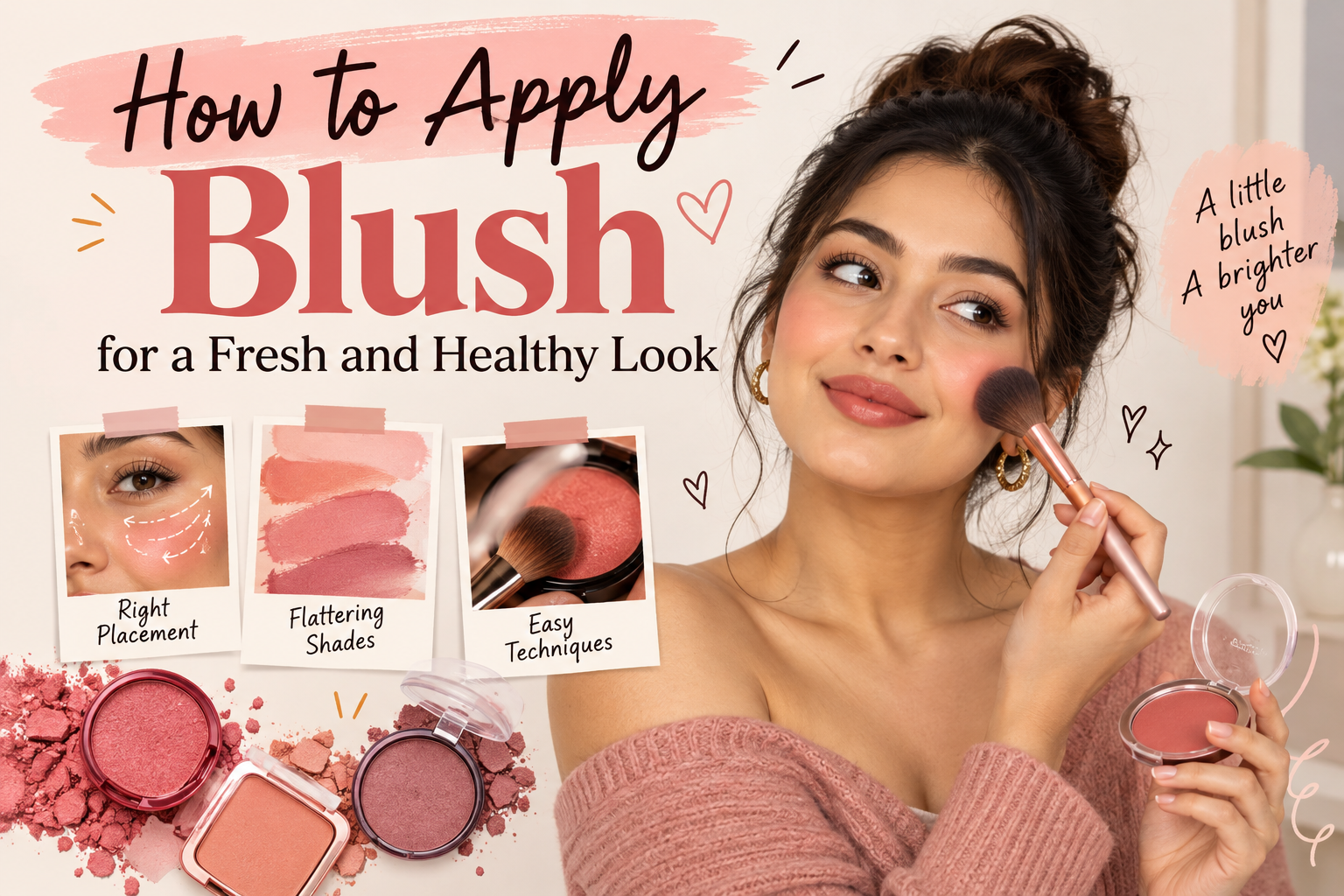
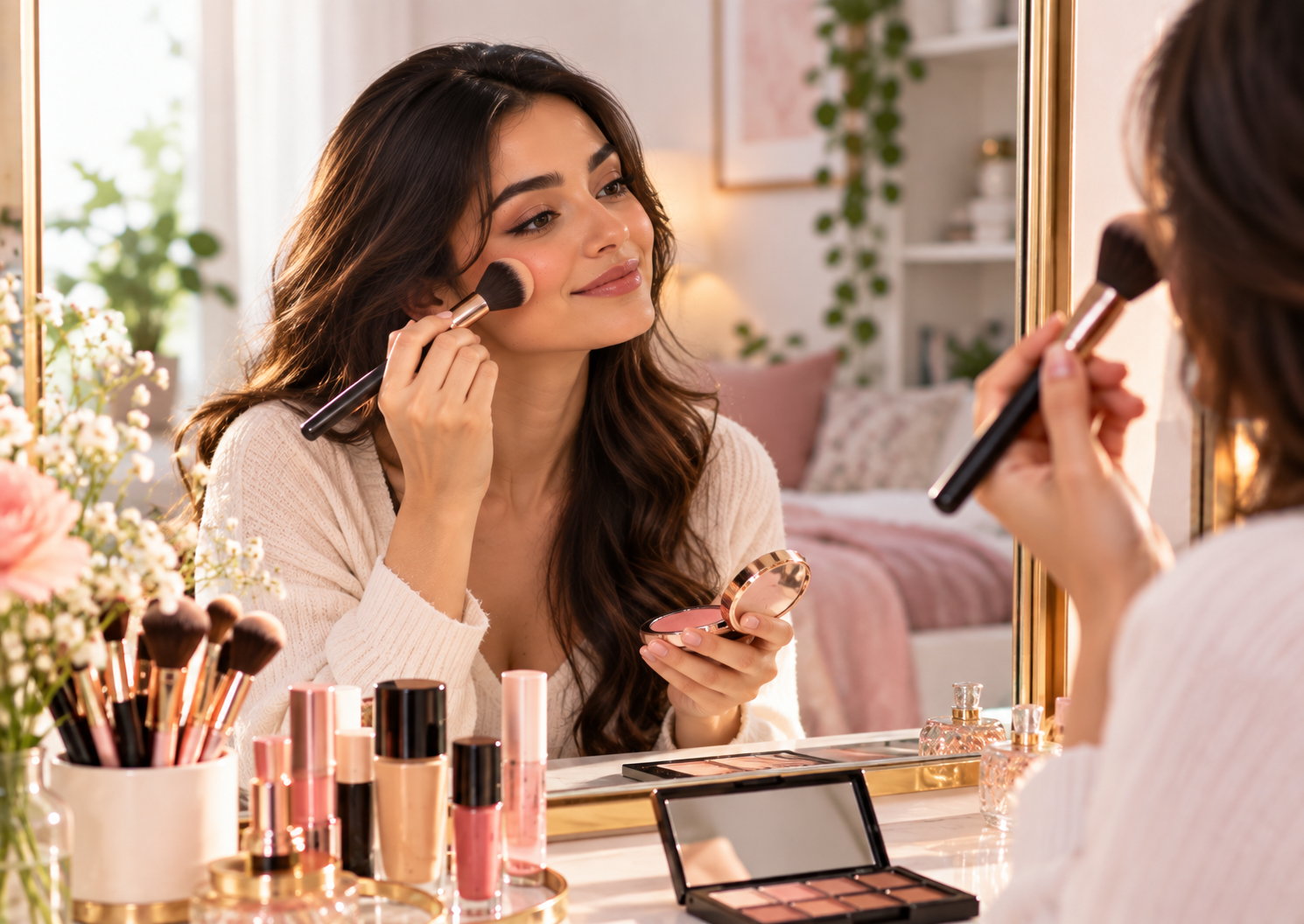
Step 6: Add Soft Blush for Freshness
Blush instantly adds warmth and life to the face.
Soft pink, peach, or natural tones usually work beautifully for beginners.
Apply lightly to the cheeks and blend softly for a natural healthy glow.
Step 7: Fill Brows Naturally
Brows frame the face and can make makeup look more polished.
Instead of drawing very dark dramatic brows, beginners should focus on:
- Light filling
- Natural shape
- Soft blending
Natural-looking brows often suit everyday makeup best.
Step 8: Simple Eye Makeup
You do not need complicated eye looks as a beginner.
Start with:
- Neutral eyeshadow shades
- Mascara
- Soft eyeliner if comfortable
Even simple mascara alone can make the eyes look brighter and more awake.
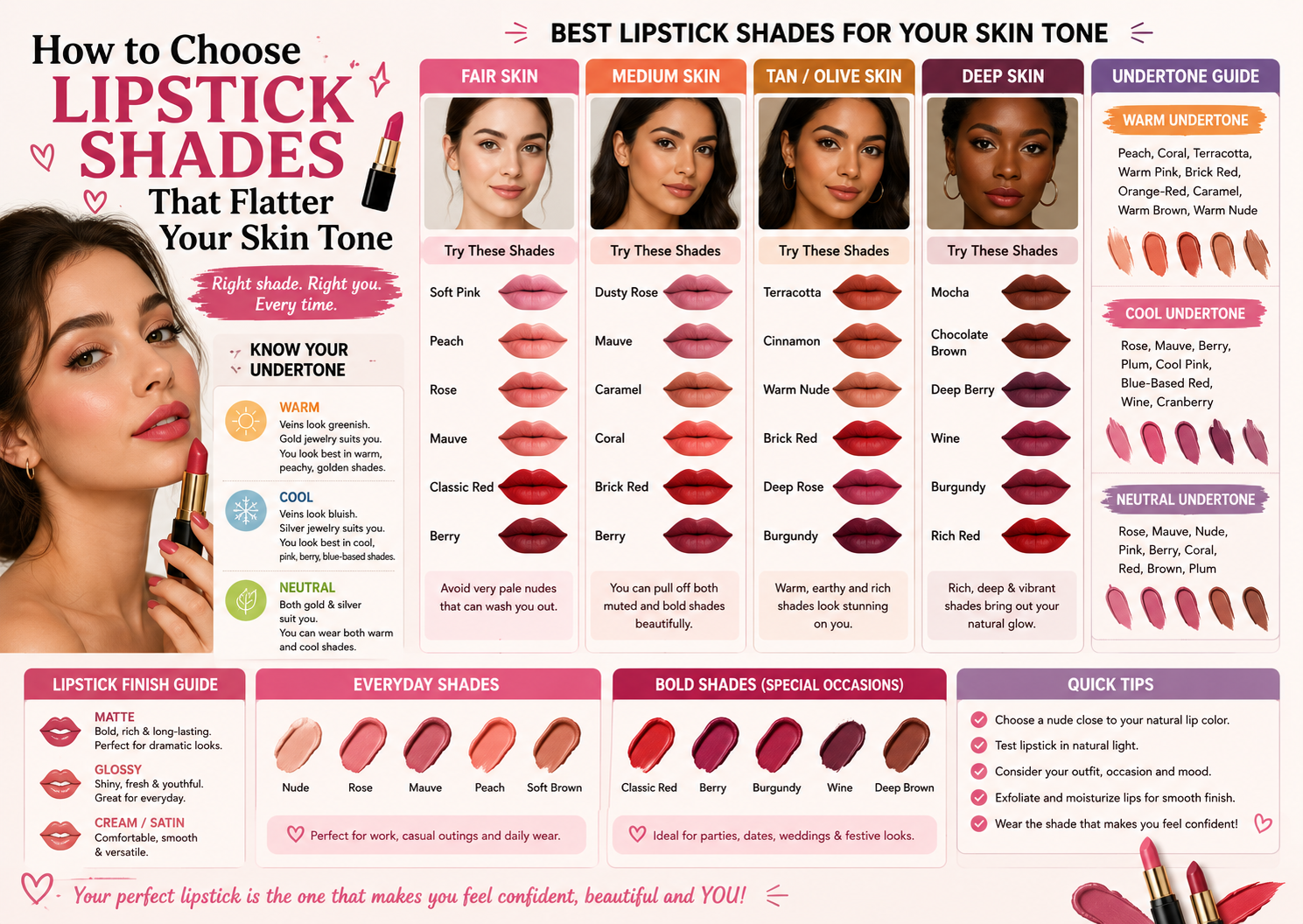
Step 9: Apply Lip Balm or Lipstick
Finish the look with:
- Lip balm
- Gloss
- Nude lipstick
- Soft pink shades
Choose colors that make you feel comfortable and confident.
Step 10: Makeup Looks Better With Practice
One of the biggest beginner mistakes is expecting perfection immediately.
Makeup skills improve naturally through:
- Practice
- Experimenting
- Finding your style
- Understanding your face shape and skin type
There is no “perfect” way to do makeup.
Less Makeup Can Still Look Beautiful
Many women feel pressured to wear heavy makeup because of social media trends.
But natural makeup often looks:
- Fresh
- Elegant
- Soft
- Effortless
The goal of makeup is enhancement and confidence — not hiding yourself completely.
Final Thoughts
Makeup should feel enjoyable, creative, and confidence-boosting rather than stressful or intimidating. Starting simple and learning gradually is the best way to build confidence and discover what works for you.
At the end of the day, the most beautiful makeup look is the one that makes you feel comfortable, confident, and genuinely yourself.