






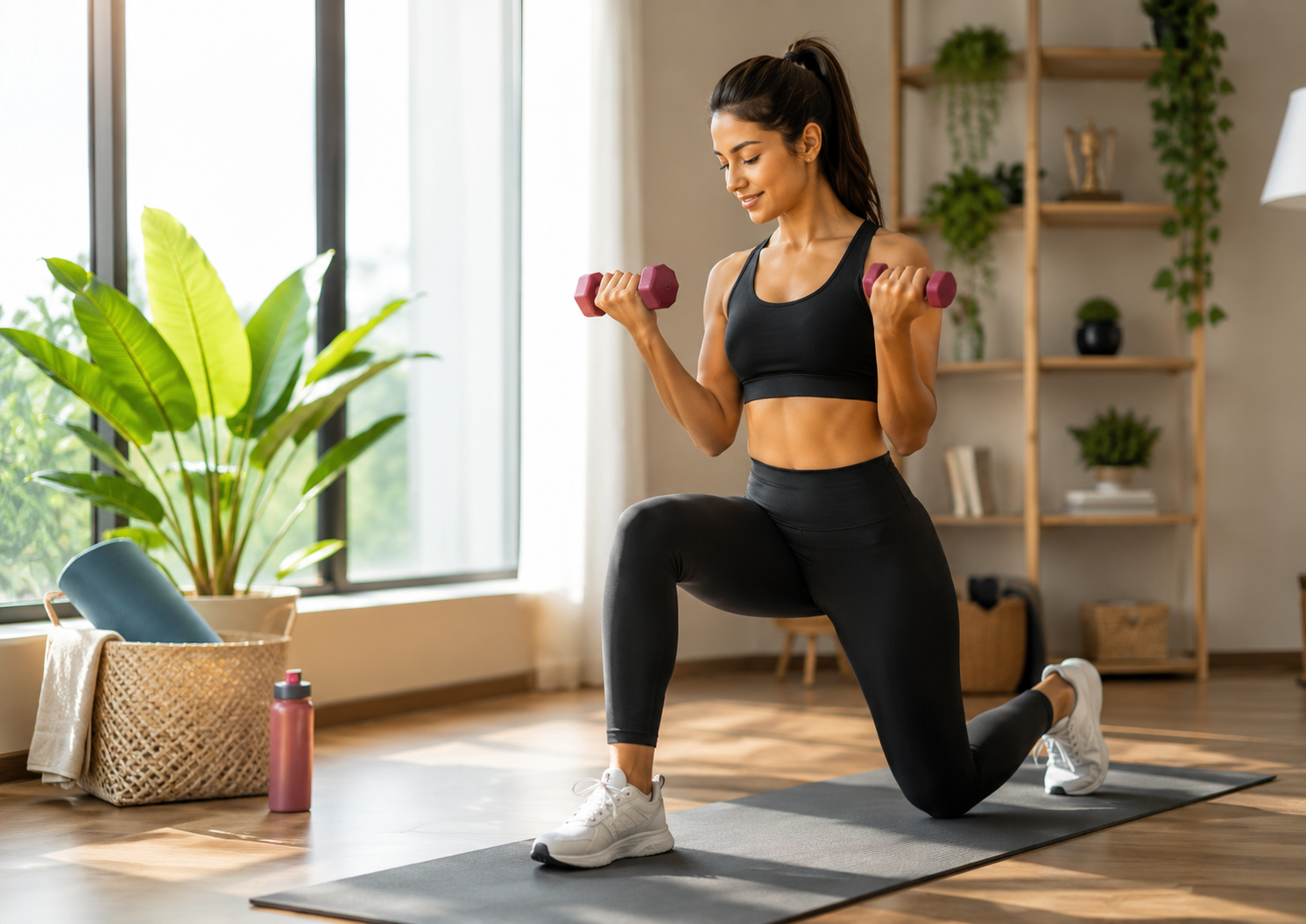
Fitness habits for women don’t have to mean spending hours at the gym or following an intense workout plan every day. A healthy fitness routine can be much simpler.
Regular movement, strength exercises, good recovery, and a balanced lifestyle can help women build strength, improve endurance, support bone health, and feel more energetic.
The most important part is finding a routine that fits your life.
You don’t need to exercise perfectly.
You need to keep moving consistently.
Why Fitness Is Important for Women
Fitness is about much more than changing the way your body looks.
Regular physical activity can support:
- Heart health
- Muscle strength
- Bone health
- Flexibility
- Balance
- Energy levels
- Sleep
- Mood
- Everyday physical function
The CDC recommends that adults get at least 150 minutes of moderate-intensity physical activity each week, along with muscle-strengthening activities on at least two days a week. It also emphasizes that some physical activity is better than none. (cdc.gov)
You don’t have to reach that target immediately.
Start where you are and gradually build your routine.
Start With Walking
Walking is one of the easiest ways to add more movement to your day.
You don’t need special equipment or a gym membership.
You can:
- Walk in the morning.
- Take a walk after dinner.
- Walk while talking on the phone.
- Use stairs when practical.
- Take short walking breaks during work.
- Explore your neighborhood on weekends.
As your fitness improves, you can gradually increase your pace or walking time.
Add Strength Training to Your Routine
Cardio is important, but strength training deserves attention too.
Building and maintaining muscle can help with everyday activities such as carrying groceries, climbing stairs, lifting objects, and maintaining physical independence as you age.
You can start with bodyweight exercises such as:
- Squats
- Wall push-ups
- Glute bridges
- Lunges
- Step-ups
- Modified planks
Later, you can add resistance bands, dumbbells, or other equipment.
You don’t need to lift extremely heavy weights to begin.
Don’t Be Afraid of Strength Training
Some women avoid strength training because they worry that lifting weights will make them “too bulky.”
For most people, building significant muscle mass requires consistent resistance training, nutrition, and time.
Strength training can instead be a useful way to become stronger and improve physical function.
Start with manageable resistance and focus on good technique.
If you’re new to resistance training, consider getting guidance from a qualified fitness professional.
Make Your Core Stronger
Your core includes much more than your abdominal muscles.
It helps support your body during everyday movement and exercise.
A balanced routine can include exercises that train the:
- Abdominal muscles
- Back
- Hips
- Pelvis
Begin with simple movements and focus on control.
Exercises such as dead bugs, bird dogs, modified planks, and glute bridges can be useful options for many people.
If you have pain or a medical condition, get individual guidance before starting a new exercise program.
Improve Your Flexibility and Mobility
Strength and cardio aren’t the only parts of fitness.
Mobility helps you move comfortably through everyday activities.
Add simple movements such as:
- Hip stretches
- Shoulder mobility
- Gentle hamstring stretches
- Ankle movements
- Upper-back mobility exercises
Yoga or Pilates can also be enjoyable ways to incorporate mobility, balance, and controlled movement into your routine.
You don’t need to spend an hour stretching every day.
Even a few minutes can become a useful habit.
Don’t Forget Cardiovascular Exercise
Cardio helps train your heart and lungs and can improve your endurance.
You can choose activities that you actually enjoy.
Try:
- Brisk walking
- Cycling
- Swimming
- Dancing
- Jogging
- Hiking
- Aerobic classes
The best cardio exercise isn’t necessarily the one that burns the most calories.
It’s the one you enjoy enough to keep doing.
Create a Fitness Routine You Can Actually Follow
A complicated workout plan may look impressive, but if you can’t maintain it, it isn’t useful.
Instead of planning seven intense workouts every week, start with something realistic.
For example:
Monday: 20-minute walk
Tuesday: Strength training
Wednesday: Rest or gentle movement
Thursday: Brisk walk or cycling
Friday: Strength training
Saturday: Fun activity
Sunday: Rest
You can adjust this according to your schedule and fitness level.
Make Exercise a Part of Your Lifestyle
Fitness becomes easier when it isn’t treated as something separate from your life.
Look for opportunities to move naturally.
Take the stairs when practical.
Walk short distances instead of always driving.
Stand up and move around during long periods of sitting.
Play an active game with your children.
Dance while doing household chores.
These small activities may not replace structured exercise, but they can help you become more active throughout the day.
Don’t Exercise Only for Weight Loss
Weight can be one part of someone’s health journey, but it shouldn’t be the only reason to exercise.
Exercise can help you become:
- Stronger
- More energetic
- More mobile
- More confident
- Better able to perform everyday activities
You can improve your fitness even if the number on the scale doesn’t change dramatically.
Your progress might show up when you carry something more easily, walk farther without getting tired, or perform an exercise that used to feel difficult.
Eat to Support Your Fitness
Exercise and nutrition work together.
Instead of following restrictive diets, focus on balanced meals that provide the nutrients and energy your body needs.
Include foods such as:
- Vegetables
- Fruits
- Whole grains
- Beans and lentils
- Eggs
- Dairy or suitable alternatives
- Nuts and seeds
- Fish, poultry, or other protein sources
Protein is particularly useful for supporting muscle maintenance and recovery.
Your nutritional needs can vary based on your age, activity level, health, pregnancy or breastfeeding status, and other factors.
Stay Hydrated
Water is important for normal body function and becomes particularly important when you’re exercising or sweating.
Keep water available throughout the day and drink according to your body’s needs.
If you’re exercising for longer periods or in hot conditions, your hydration needs may be higher.
Sleep Is Part of Your Fitness Routine
You can exercise regularly and still struggle if you never allow your body to recover.
Sleep supports physical and mental wellbeing.
Most adults need around 7 to 9 hours of sleep per night, although individual needs vary.
If your schedule is busy, don’t assume that sacrificing sleep for another workout is always the healthier choice.
Sometimes the best fitness decision is simply getting enough rest.
Give Your Body Recovery Time
More exercise isn’t automatically better.
Your body needs time to recover after challenging workouts.
You can use rest days for:
- Gentle walking
- Stretching
- Light mobility
- Relaxation
If you’re experiencing persistent pain or unusual symptoms, don’t simply push through them.
Learn to Listen to Your Body
There is a difference between normal exercise effort and pain that signals a potential problem.
During exercise, pay attention to:
- Sharp pain
- Dizziness
- Chest pain
- Unusual shortness of breath
- Severe weakness
- New swelling
- Persistent joint pain
Stop exercising and seek appropriate medical advice if you experience concerning symptoms.
Fitness Can Look Different at Different Ages
Your fitness goals may change throughout your life.
In Your 20s
You may focus on building healthy exercise habits and developing strength.
In Your 30s
Maintaining muscle, cardiovascular fitness, mobility, and healthy routines can become increasingly important.
In Your 40s
Strength training, cardiovascular health, mobility, and recovery deserve continued attention.
In Your 50s and Beyond
Maintaining strength, balance, bone health, mobility, and independence can become particularly important.
There is no age at which you are “too late” to start becoming more active.
Don’t Compare Your Fitness Journey
Social media can make fitness look much easier than it really is.
You may see people exercising every morning, eating perfectly, or showing dramatic physical transformations.
Remember that you’re seeing a small part of someone’s life.
Your fitness journey should be based on your body, your schedule, your goals, and your starting point.
Progress doesn’t have to look dramatic to be meaningful.
Common Fitness Mistakes Women Should Avoid
Doing Too Much Too Soon
Starting with intense workouts can leave you exhausted or increase your risk of injury.
Focusing Only on Cardio
Strength training is an important part of overall fitness.
Avoiding Rest Days
Recovery is part of training.
Following Extreme Diets
Your body needs adequate nutrition to support activity and recovery.
Copying Someone Else’s Workout
A workout that suits one person may not be appropriate for another.
Exercising Through Pain
Persistent or significant pain shouldn’t simply be ignored.
Expecting Fast Results
Building strength and fitness takes time.
A Simple Beginner Fitness Routine
If you’re starting from scratch, keep it simple.
Day 1
20-minute comfortable walk.
Day 2
10–15 minutes of beginner strength exercises.
Day 3
Rest or gentle stretching.
Day 4
20-minute brisk walk.
Day 5
Beginner strength training.
Day 6
Choose an activity you enjoy.
Day 7
Rest.
As your fitness improves, you can gradually increase the duration, frequency, or intensity of your workouts.
How to Stay Motivated
Motivation comes and goes.
Instead of depending entirely on motivation, create habits.
Try:
- Scheduling workouts in your calendar.
- Preparing workout clothes beforehand.
- Exercising with a friend.
- Choosing activities you genuinely enjoy.
- Tracking your progress.
- Setting small goals.
- Celebrating improvements beyond weight loss.
Your goal could be walking for longer, completing more repetitions, improving your balance, or simply exercising consistently for a month.
Make Fitness Enjoyable
Exercise shouldn’t feel like punishment.
Try different activities until you find something you enjoy.
Maybe you love dancing.
Maybe you prefer long walks.
Maybe strength training makes you feel powerful.
Maybe swimming helps you relax.
Maybe yoga gives you the movement and calm you need.
There is no single “perfect” workout.
The best routine is one you’ll actually want to continue.
Frequently Asked Questions
How much exercise should women do each week?
For most adults, the CDC recommends at least 150 minutes of moderate-intensity aerobic activity each week and muscle-strengthening activities on at least two days. You can build toward this gradually. (cdc.gov)
Is strength training good for women?
Yes. Strength training can help women maintain and build muscle, support physical function, and contribute to overall fitness. It is recommended as part of the adult physical activity guidelines. (cdc.gov)
Can women get fit without going to a gym?
Absolutely. Walking, bodyweight exercises, home workouts, dancing, cycling, and many other activities can contribute to fitness without a gym membership.
What is the best exercise for women?
There isn’t one exercise that’s best for every woman. A balanced routine that includes aerobic activity, strength training, and mobility can provide a strong foundation.
How long does it take to see fitness results?
It varies from person to person. Fitness improvements depend on your starting level, consistency, exercise type, nutrition, recovery, and other factors. Focus on gradual progress rather than a specific deadline.
Should women exercise every day?
Not necessarily. You can be active every day through walking or gentle movement, but challenging workouts should be balanced with adequate recovery.
Final Thoughts
Building a healthier body doesn’t require an extreme fitness plan.
Start with simple fitness habits for women that fit naturally into your life.
Walk more. Build strength. Improve your mobility. Eat nourishing food. Sleep enough. Give your body time to recover. And most importantly, choose activities you actually enjoy.
You don’t have to transform your body in a few weeks.
The real goal is to build a body that feels strong, capable, energetic, and ready for everyday life.
Start small, stay consistent, and let your progress build over time.
This article is for general educational purposes and is not a substitute for personalized medical advice. If you are pregnant, recently postpartum, have a medical condition, or are returning to exercise after an injury, consult an appropriate healthcare professional before changing your exercise routine.