






Hair fall is something almost every woman experiences at some point. Whether it’s caused by stress, hormonal changes, poor nutrition, heat styling, or unhealthy hair habits, seeing extra hair on your pillow or hairbrush can feel frustrating and emotionally exhausting.
The good news is that healthy hair usually improves with consistency, proper care, and better lifestyle habits. Instead of chasing unrealistic “overnight miracle” solutions, focusing on long-term scalp and hair health often works best.
Improve Your Diet First
Healthy hair starts from inside the body.
Nutrient deficiencies can sometimes contribute to hair fall, so it’s important to eat foods rich in:
- Protein
- Iron
- Healthy fats
- Vitamins
- Fresh fruits and vegetables
Hair health is often connected to overall wellness and nutrition.
Reduce Stress Levels
Stress is one of the most common causes of excessive hair fall.
Emotional stress may sometimes affect:
- Hair growth cycles
- Hormonal balance
- Scalp health
Relaxation habits like:
- Yoga
- Meditation
- Exercise
- Journaling
- Better sleep
can help support healthier hair naturally over time.
Avoid Excessive Heat Styling
Frequent use of:
- Straighteners
- Curling tools
- Hot dryers
may weaken hair and increase breakage.
Try limiting heat exposure and using heat protection whenever styling is necessary.
Healthy hair responds better to gentle care.
Oil Your Hair Regularly
Hair oiling remains one of the most popular traditional hair care methods.
Gentle scalp massage with oils may help support:
- Relaxation
- Hair softness
- Scalp comfort
- Better hair care routines
Many women use oils like:
- Coconut oil
- Rosemary oil
- Argan oil
- Almond oil
depending on their hair type and scalp needs.
Avoid Tight Hairstyles
Very tight ponytails, buns, or braids can sometimes place stress on the hair roots.
This may contribute to:
- Breakage
- Hair thinning
- Scalp tension
Looser hairstyles can help reduce unnecessary pulling on the scalp.
Wash Your Hair Gently
Overwashing or using harsh shampoos may sometimes make hair feel:
- Dry
- Weak
- Frizzy
- Irritated
Choose gentle products suited to your scalp and hair type.
Healthy cleansing helps maintain scalp balance without excessive dryness.
Sleep and Hormones Affect Hair Too
Lack of sleep and hormonal changes can sometimes influence hair fall.
This may happen during:
- Stressful periods
- PCOS
- Pregnancy
- Postpartum recovery
- Hormonal imbalances
If hair loss feels sudden or severe, medical guidance may help identify underlying causes.
Avoid Constant Chemical Treatments
Frequent coloring, bleaching, rebonding, or chemical treatments can weaken hair structure over time.
Giving your hair occasional breaks from harsh treatments may help improve overall hair health.
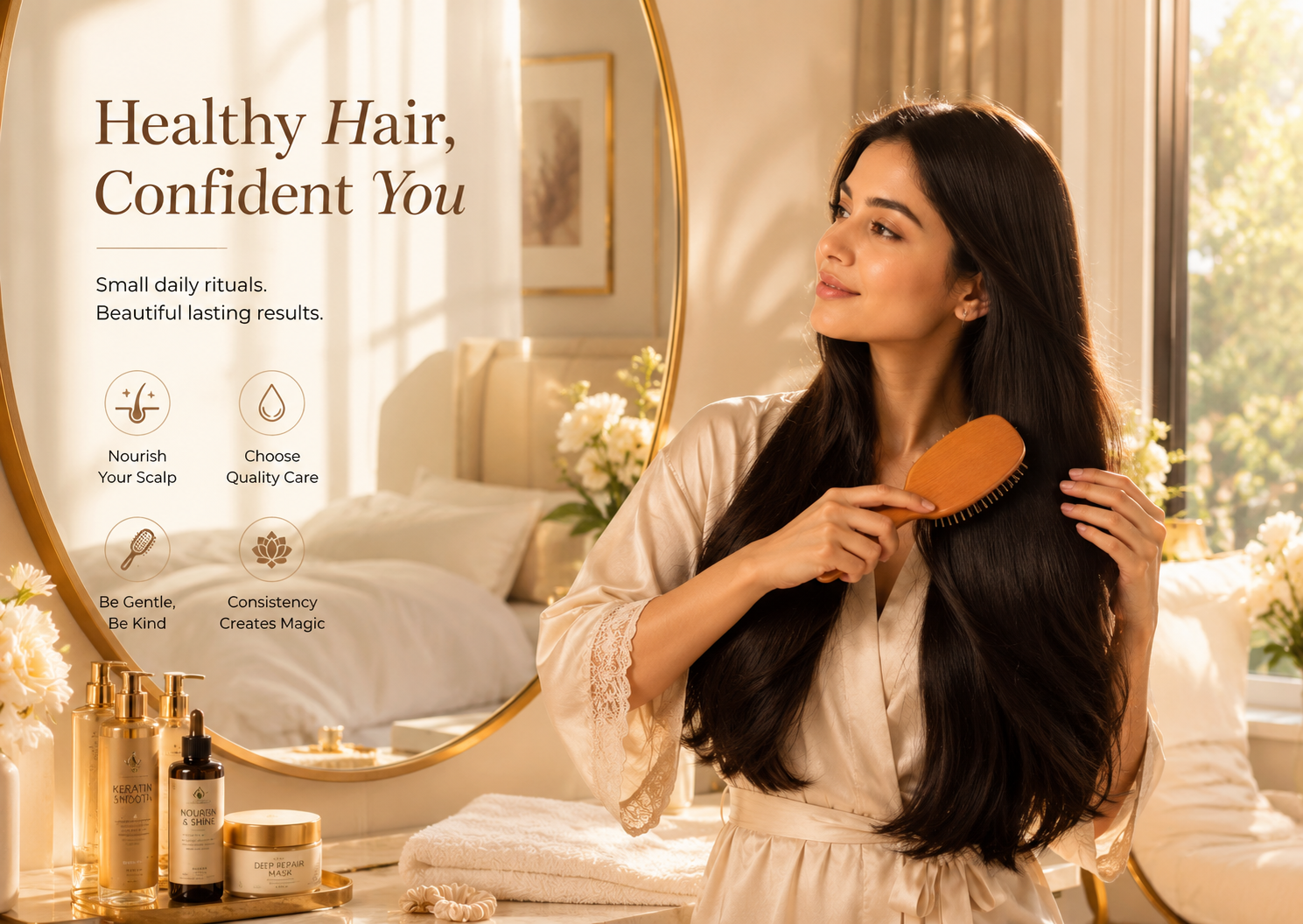
Scalp Care Is Just as Important
Healthy hair growth begins with scalp health.
Keeping the scalp:
- Clean
- Balanced
- Hydrated
- Free from heavy buildup
can support stronger-looking hair naturally.
Ignoring scalp care is a common mistake many women make.
Be Patient and Consistent
Hair growth takes time.
One of the biggest mistakes people make is constantly changing products every week expecting instant results.
Healthy hair improvement usually comes from:
- Consistency
- Better lifestyle habits
- Gentle care
- Long-term scalp health
Patience matters more than quick fixes.
Final Thoughts
Hair fall can feel emotionally stressful, but in many cases, healthy habits and consistent hair care can help improve hair strength and scalp health naturally over time.
At the end of the day, healthy beautiful hair is not about perfection — it’s about caring for your body, reducing stress, nourishing your scalp, and building routines that support long-term hair wellness naturally.