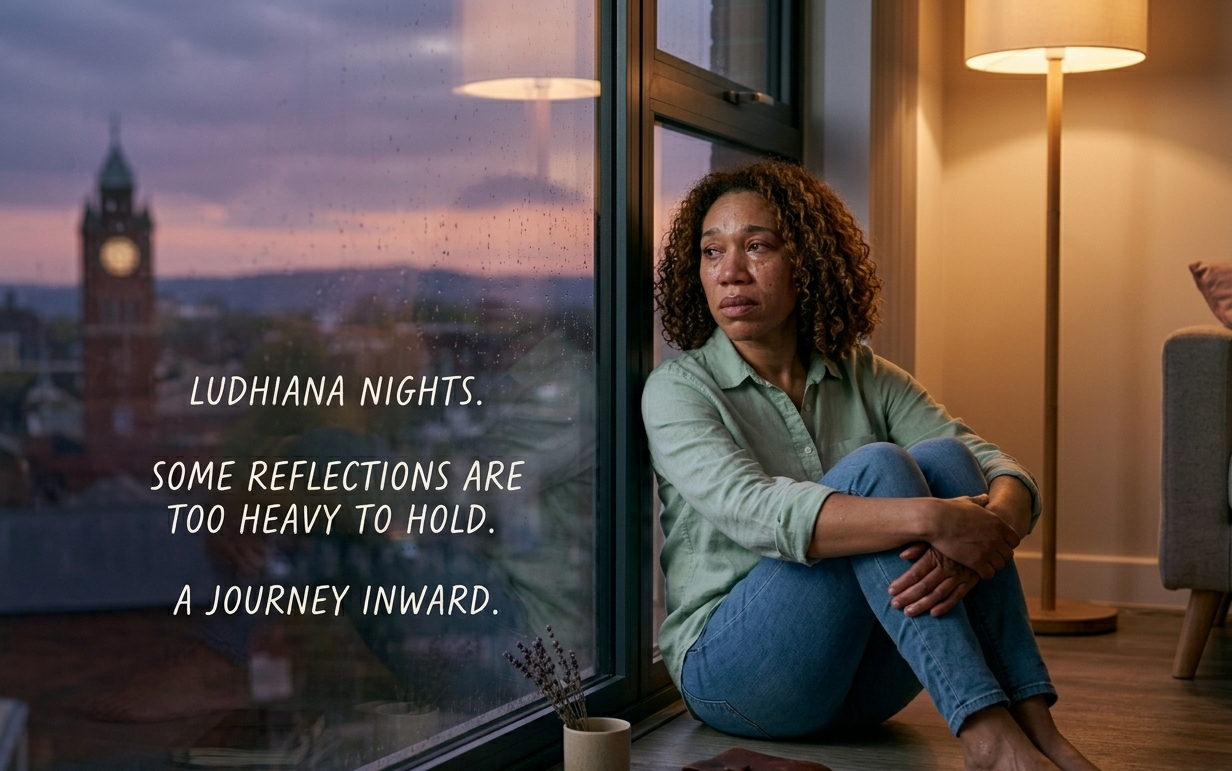








A relationship ending can leave you with emotions that are difficult to explain. One moment, you may feel angry; the next, you may miss the person deeply. You might replay old conversations, look at photographs, or wonder what you could have done differently.
Heartbreak is not simply about missing someone. You are often grieving a relationship, shared memories, familiar routines, and a future you once imagined. That is why learning how to deal with heartbreak after a relationship ends takes patience.
There is no universal timeline for getting over someone. You do not have to wake up one morning and suddenly feel completely fine. Healing happens gradually, through small decisions that help you accept what happened and reconnect with yourself.
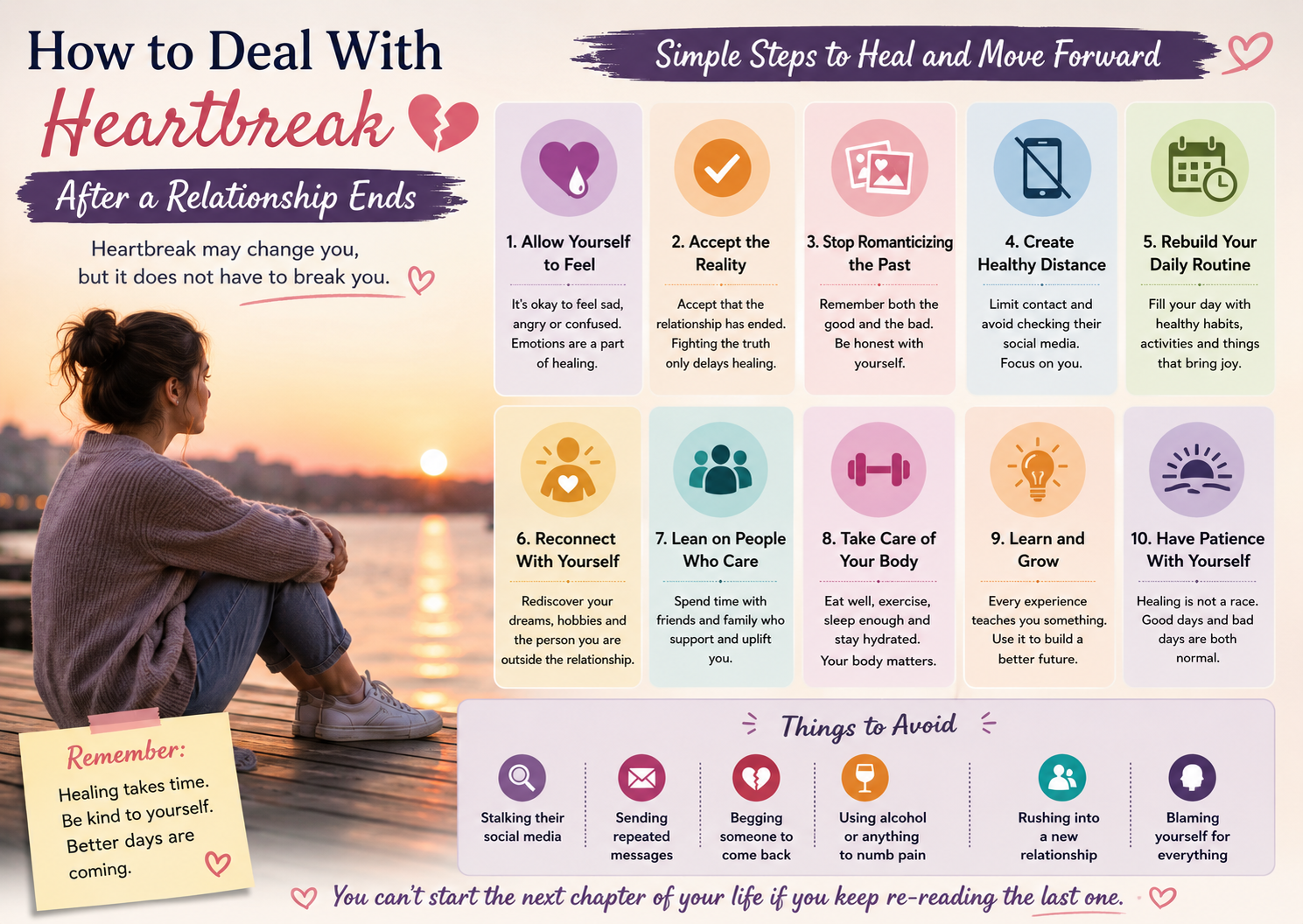
Allow Yourself to Feel the Pain
The first step in dealing with heartbreak is accepting your emotions rather than running away from them.
You may experience sadness, anger, loneliness, confusion, guilt, relief, or even hope that the relationship might return. These feelings can change from one day to the next, and sometimes several emotions can appear at once.
Do not judge yourself for feeling them.
Crying does not make you weak. Missing someone does not mean you made the wrong decision. Feeling okay one day and emotional the next does not mean you are going backward.
Give yourself permission to feel without letting those emotions define your entire life.
Writing in a journal, talking to someone you trust, listening to music, or simply spending some quiet time alone can help you process what you are experiencing.
Accept That the Relationship Has Ended
Acceptance is one of the hardest parts of heartbreak.
Your mind may keep searching for a different ending. You may think about what would happen if they called, apologised, changed, or came back. While hope can feel comforting, constantly imagining another outcome can keep you emotionally stuck.
Acceptance does not mean you suddenly stop caring.
It means recognising that the relationship is no longer part of your present reality.
You can appreciate the memories without trying to recreate them. You can love someone and still understand that the relationship was not right for you.
Sometimes, healing begins when you stop asking, “How can I get them back?” and start asking, “How can I take care of myself now?”
Stop Looking at Only the Good Memories
After a breakup, it is easy to remember the best parts of a relationship and forget why it ended.
You remember the first date, inside jokes, late-night conversations, holidays, birthdays, and moments when you felt completely understood. Your mind may turn those memories into proof that everything was perfect.
But no relationship is defined only by its happiest moments.
When nostalgia appears, try to remember the complete picture. Think about the problems, disagreements, unmet needs, communication issues, or differences that contributed to the breakup.
This is not about turning your ex into a bad person.
It is about being honest with yourself.
Missing the good parts does not mean the relationship should continue.
Create Some Healthy Distance
One of the most difficult things after a breakup is resisting the urge to check your ex’s social media.
You may wonder what they are doing, who they are with, whether they miss you, or whether their latest post has some hidden meaning.
Unfortunately, constantly checking their profile can reopen emotional wounds.
Consider taking a temporary break from their social media. Mute or unfollow their account if necessary. Put old photographs and messages somewhere you do not have to see them every day.
Distance is not about revenge.
It is about giving your mind the space it needs to adjust to a new reality.
The less you monitor their life, the more energy you have to rebuild your own.
Rebuild Your Daily Routine
A breakup can leave a strange emptiness in your daily life.
Perhaps you used to message each other every morning, call before bed, meet on weekends, or make plans together. Suddenly, those moments disappear.
Instead of allowing the empty space to consume you, slowly create a new routine.
Go for a walk. Exercise. Read. Cook something new. Spend time with friends. Work on a personal project. Learn a skill you have always wanted to try.
These activities may seem small, but they remind your brain that your life continues beyond the relationship.
You are not trying to stay busy every second so you do not have to think about the breakup. You are creating a life that feels meaningful even when your relationship status has changed.
Reconnect With Yourself
Relationships can sometimes cause us to lose touch with our individual identity.
Your plans may have revolved around another person. Your weekends, hobbies, social life, and even future goals may have been connected to the relationship.
After a breakup, take some time to ask yourself:
Who am I outside of this relationship?
What makes me happy?
What dreams did I put aside?
What kind of life do I want now?
This can be an important stage of healing.
You are not simply returning to the person you were before your relationship. You are discovering who you are after everything you have experienced and learned.
Do Not Blame Yourself for Everything
It is normal to analyse a breakup and wonder what you could have done differently.
Maybe you think you should have communicated more. Perhaps you regret an argument or wish you had recognised certain signs earlier.
Reflection can be useful, but excessive self-blame is not.
Relationships involve two people. Their choices, emotions, communication, expectations, and circumstances also played a role in what happened.
Take responsibility for your mistakes without making yourself responsible for everything.
Instead of asking, “What is wrong with me?” try asking, “What can I learn from this?”
That change in perspective can turn regret into growth.
Lean on People Who Care About You
Heartbreak can make you want to isolate yourself, but support matters.
Talk to a close friend, family member, or someone you trust. You do not always need advice. Sometimes, you simply need someone who will listen without judging you.
Let people know when you need company.
Go for coffee. Take a walk together. Watch a movie. Have a conversation that has nothing to do with your breakup.
Your support system can remind you that you are loved and valued outside of the relationship you lost.
If your emotions feel overwhelming for an extended period or are seriously affecting your ability to function, speaking with a qualified mental health professional can also be a valuable form of support.
Be Careful With Rebound Relationships
After heartbreak, attention from someone new can feel incredibly comforting.
It can make you feel attractive again and temporarily distract you from the pain. But entering a new relationship before you have processed the previous one can create complications for everyone involved.
Before starting something serious, ask yourself whether you genuinely want this new person or whether you are trying to fill the space left by your ex.
There is no need to rush.
Being single for a while is not a failure. It can give you time to understand what you truly want from your next relationship.
Turn Heartbreak Into Personal Growth
A painful experience can still teach you something valuable.
Think about what the relationship showed you about communication, boundaries, trust, compatibility, emotional needs, and self-respect.
Maybe you learned that you need better communication. Perhaps you realised that certain behaviours are unacceptable to you. Maybe you discovered that you had been compromising too much of yourself.
Use those lessons to build healthier relationships in the future.
The goal is not to become cold or afraid of love.
The goal is to become more self-aware.
Understand That Healing Takes Time
There will be good days and difficult days.
You may go several days without thinking about your ex and then suddenly hear a song that brings everything back. You might feel happy during the day and emotional at night.
That is normal.
Healing is not a straight line.
A difficult day does not erase the progress you have already made. Over time, the memories usually become less painful, and the urge to return to the past becomes weaker.
Eventually, you may think about the relationship without feeling like you need to go back to it.
You Can Move Forward Without Forgetting
Dealing with heartbreak does not mean pretending the relationship never happened.
It means accepting that something meaningful ended while still believing that your life can be meaningful afterward.
You can appreciate what the relationship taught you. You can remember the good moments. You can acknowledge the pain.
And you can still choose to move forward.
Your next chapter does not have to be about finding someone new immediately. It can simply be about finding yourself again.
Take your time. Be kind to yourself. Surround yourself with people who care about you. Build routines that make you feel alive. Learn from what happened, but do not allow the past to decide your future.
Heartbreak may change you, but it does not have to break you. Sometimes, the end of a relationship is also the beginning of a stronger, wiser, and more self-aware version of you.
Let’s be Frank: healing is not about forgetting someone. It is about remembering who you are without them.