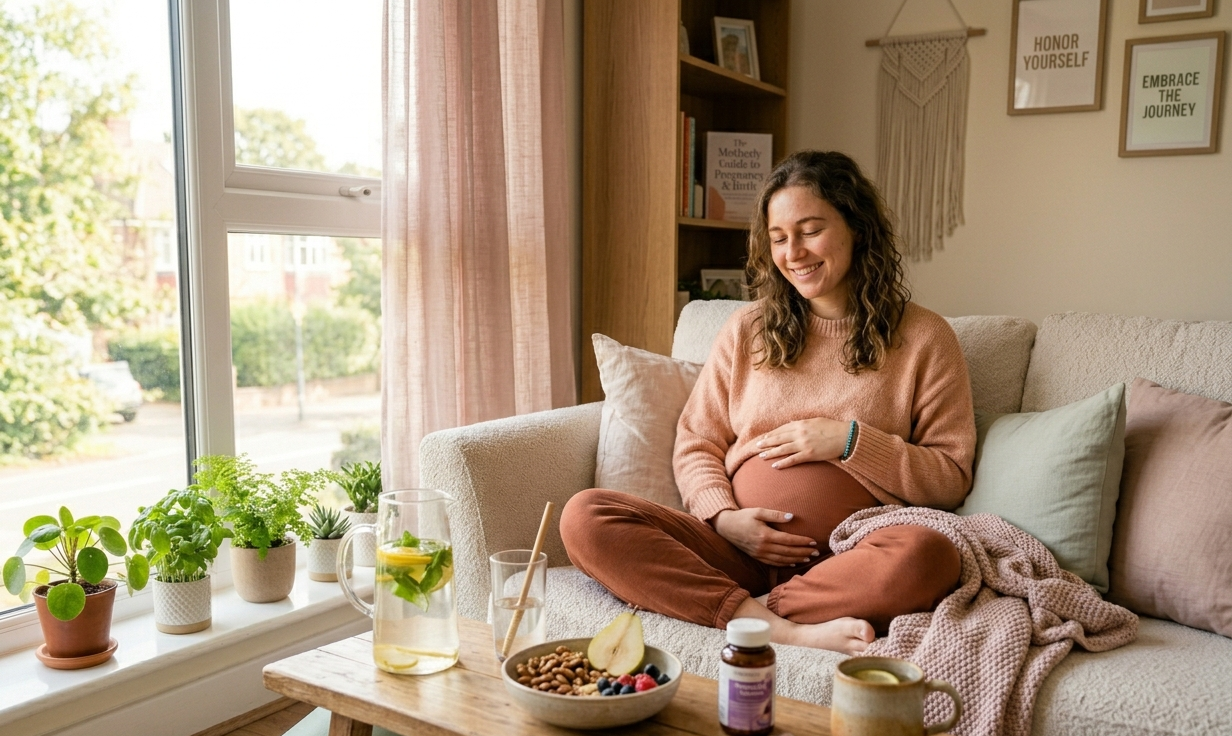








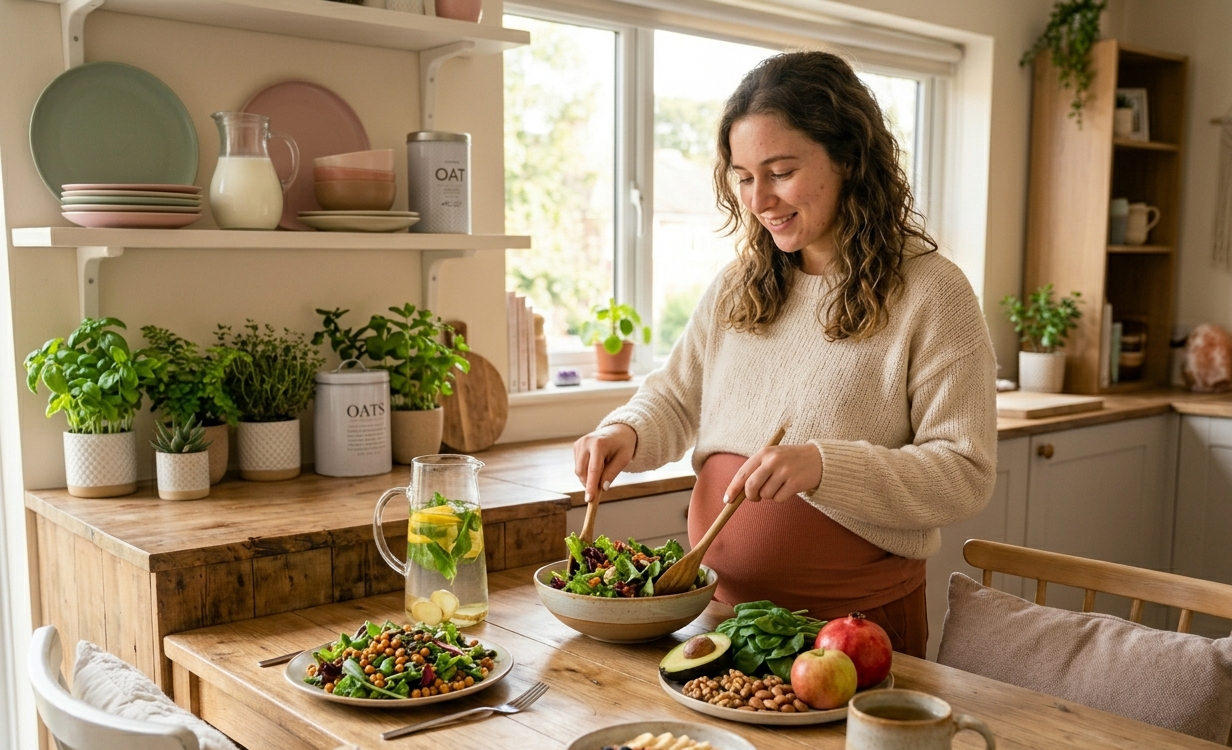
Pregnancy changes everything — your body, emotions, cravings, energy levels, and even the way you think about food. Some days you feel constantly hungry, while other days even your favorite meals suddenly feel unappealing. It can honestly feel overwhelming trying to figure out what’s actually healthy for both you and your baby.
The good news is that pregnancy nutrition doesn’t need to be perfect or complicated. What matters most is giving your body the right balance of nutrients month by month as your baby grows.
First Trimester: Focus on Light and Nourishing Foods
The first three months can be emotionally and physically exhausting. Morning sickness, nausea, fatigue, and food aversions are very common during this stage.
Try focusing on:
• Small frequent meals
• Soaked Dry fruits and nuts
• Bananas and apples
• Yogurt
• Soups and simple home-cooked meals
• Plenty of water
Foods rich in folic acid, iron, and protein are especially important during early pregnancy.
Second Trimester: Increase Protein and Calcium
This stage is often called the “better phase” because energy levels usually improve. Your baby’s growth also starts increasing more rapidly during these months.
Add more:
• Milk and dairy products
• Paneer or tofu
• Eggs
• Chicken or fish
• Green vegetables
• Oats
• Lentils
• Fresh fruits
Calcium, protein, vitamin D, and iron become even more important during this phase.
Third Trimester: Support Energy and Baby Growth
The final months can feel physically heavy and tiring. Many women experience bloating, acidity, swelling, or sleep discomfort during this stage.
Focus on:
• Fiber-rich foods
• Healthy snacks
• Hydrating fruits
• Coconut water
• Whole grains
• Protein-rich meals
• Iron-rich foods
Eating smaller portions more frequently may also help with digestion and acidity.
Foods to Include Throughout Pregnancy
Some foods support overall pregnancy health during all months.
These include:
• Leafy greens
• Fresh fruits
• Healthy fats
• Nuts and seeds
• Whole grains
• Protein-rich foods
• Plenty of water
Balanced nutrition helps support both maternal health and baby development.
Foods to Limit During Pregnancy
Certain foods should be reduced or avoided during pregnancy for safety reasons.
Try limiting:
• Excess caffeine
• Raw seafood
• Unpasteurized dairy
• Highly processed junk food
• Excess sugar
• Alcohol and smoking
Always speak with a healthcare professional before making major dietary changes during pregnancy.
Don’t Ignore Emotional Health
Pregnancy nutrition isn’t only about food. Stress, anxiety, sleep, and emotional well-being also affect overall health during pregnancy.
Resting properly, staying emotionally supported, and listening to your body are just as important as eating healthy meals.
Final Thoughts
Every pregnancy journey looks different. Some women experience strong cravings, others lose appetite, and many go through emotional ups and downs while adjusting to body changes.
Instead of stressing about eating “perfectly,” focus on nourishing yourself consistently with balanced meals, hydration, and self-care. Your body is already doing something incredibly powerful, and small healthy choices each day truly matter more than perfection.