







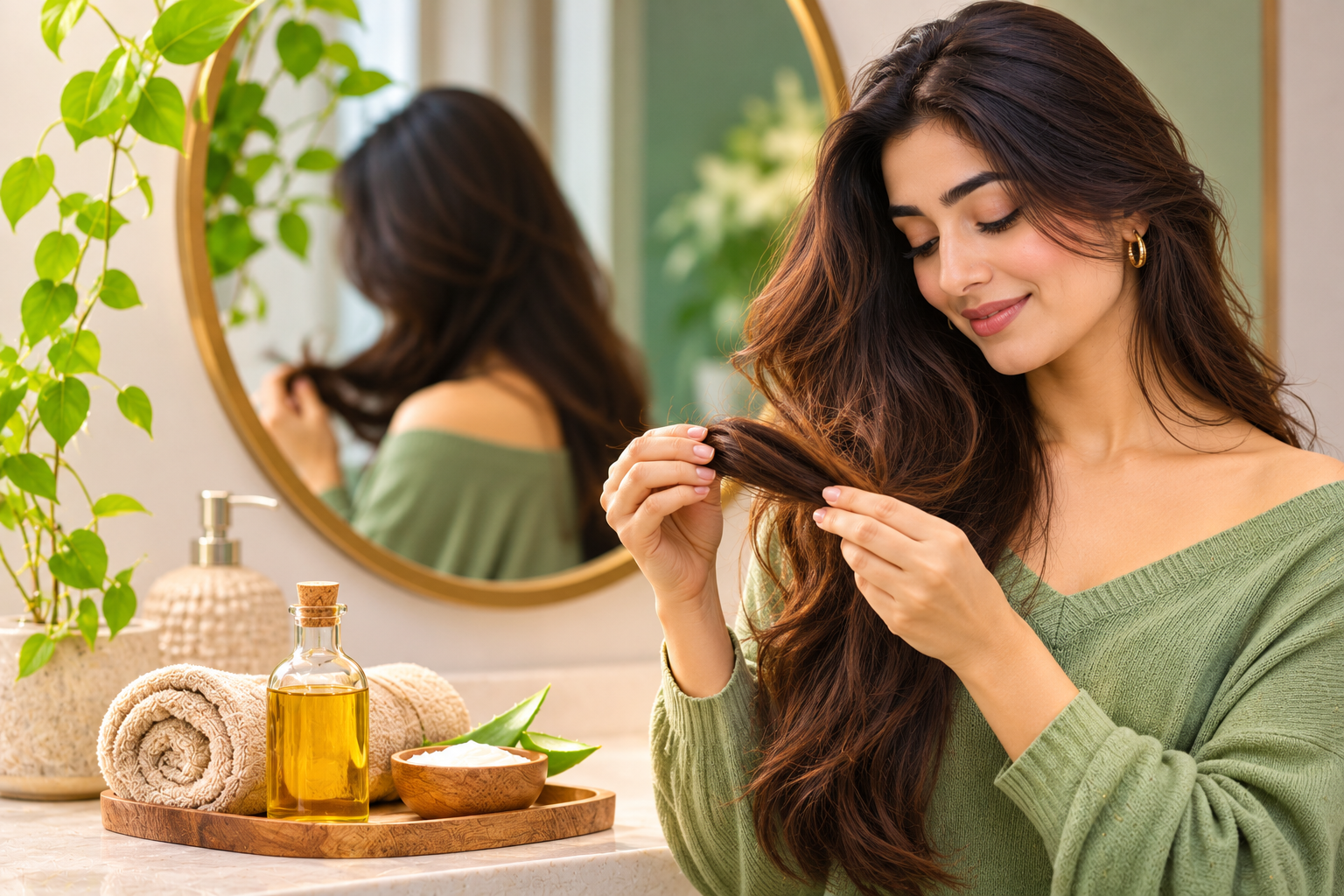
Have you ever noticed short, broken strands of hair on your pillow, clothes or hairbrush? Or perhaps your hair looks thinner at the ends, feels rough and refuses to grow beyond a certain length. These can be signs of hair breakage.
Hair breakage is a common concern, especially when your hair is exposed to frequent styling, heat, chemical treatments or rough handling. Sometimes, even small everyday habits can gradually weaken your hair and make it more likely to snap.
The good news is that you do not always need expensive salon treatments or a shelf full of hair products to improve your hair care routine. Simple changes in the way you wash, brush, dry and style your hair can make a difference.
If you want to reduce hair breakage, the first step is understanding what may be damaging your strands and developing habits that help protect them.
Here are 12 simple habits that can help you maintain stronger-looking, healthier hair.
1. Be Gentle While Brushing Your Hair
Brushing is part of most people’s daily routines, but doing it too aggressively can cause unnecessary breakage.
Pulling a brush through tangled hair can put stress on the strands, especially when they are wet or weakened.
Try these simple habits:
- Start brushing from the ends and gradually work towards the roots.
- Hold your hair gently while removing knots.
- Use a wide-tooth comb or a suitable detangling brush.
- Avoid forcefully pulling through stubborn tangles.
- Do not brush repeatedly just to make your hair look perfectly smooth.
If your hair is curly or textured, detangling it gently with conditioner and a suitable wide-tooth comb may help reduce unnecessary pulling.
Remember, brushing should make your hair easier to manage, not leave you with more broken strands.
2. Avoid Excessive Heat Styling
Straighteners, curling irons and blow dryers can make your hair look polished, but frequent high-temperature styling can damage the hair shaft.
Over time, heat exposure can leave hair dry, brittle and more vulnerable to breakage.
You do not have to stop styling your hair completely. Instead, try to reduce how often you use heated tools.
A few helpful habits include:
- Allow your hair to air-dry when practical.
- Use a heat protectant before styling.
- Choose a lower heat setting suitable for your hair type.
- Avoid repeatedly passing a straightener over the same section.
- Give your hair regular breaks from heat styling.
If your hair already feels dry or damaged, reducing heat exposure can be a useful first step towards protecting it.
3. Use Conditioner After Every Wash
Shampoo helps clean your scalp and hair, but it can sometimes leave the lengths feeling dry.
Conditioner helps smooth the hair surface, improve manageability and reduce friction between strands. This can make brushing and styling easier.
After shampooing:
- Gently squeeze excess water from your hair.
- Apply conditioner mainly to the mid-lengths and ends.
- Leave it on for the time recommended on the product.
- Rinse thoroughly according to the instructions.
Choose a conditioner that suits your hair type. If your hair is fine, a lightweight formula may work better, while dry or thick hair may benefit from a richer conditioner.
A simple conditioning habit can help reduce tangles and minimise breakage caused by rough handling.
4. Stop Rubbing Your Hair With a Towel
One common mistake people make after washing their hair is rubbing it vigorously with a regular bath towel.
Wet hair is more vulnerable to stretching and mechanical damage. Rough towel drying can create friction and make tangles worse.
Instead, try this:
- Gently squeeze out excess water.
- Wrap your hair in a soft microfibre towel or cotton T-shirt.
- Press lightly rather than rubbing.
- Avoid twisting your hair tightly inside the towel.
- Let it air-dry when possible.
These small changes can make your post-wash routine much gentler.
5. Avoid Very Tight Hairstyles
High ponytails, tight buns and tightly pulled braids may look neat, but wearing them frequently can put tension on your hair.
Repeated pulling can weaken strands and may also contribute to traction alopecia, a type of hair loss caused by ongoing tension on the hair.
To protect your hair:
- Choose loose ponytails and braids.
- Avoid hairstyles that cause scalp discomfort.
- Change your hairstyle regularly.
- Use soft fabric scrunchies instead of tight elastic bands.
- Avoid pulling the hairline tightly backwards every day.
If a hairstyle hurts, feels too tight or causes headaches, loosen it.
Comfort is an important part of a healthy hair routine.
6. Choose Hair Accessories That Do Not Pull Your Hair
The accessories you use every day can also affect your hair.
Traditional elastic bands with metal joints, rough clips and accessories that catch strands can cause snapping when you remove them.
Look for accessories that hold your hair without excessive pulling.
Some useful options include:
- Satin or silk scrunchies.
- Soft fabric hair ties.
- Smooth claw clips.
- Hair-friendly spiral ties.
- Wide, seamless headbands.
Also, remove hair accessories gently instead of pulling them out quickly.
A small change in your everyday accessories can help prevent unnecessary damage.
7. Do Not Overwash or Use Harsh Products
Washing your hair is important for scalp hygiene, but using unsuitable products or washing more frequently than your hair needs may leave the lengths feeling dry.
There is no universal washing schedule. It depends on your scalp type, hair texture, activity level and product use.
A few things to remember:
- Choose shampoo according to your scalp’s needs.
- Concentrate shampoo on the scalp rather than scrubbing the lengths.
- Avoid using very hot water.
- Rinse products thoroughly.
- Use a suitable conditioner after washing.
If your scalp becomes oily quickly, you may need to wash more often. If your hair is dry or curly, you may prefer a different schedule.
The goal is to keep your scalp clean without unnecessarily stressing your hair.
8. Protect Your Hair While Sleeping
Your hair goes through friction even while you sleep.
Moving around on a rough pillowcase can create friction, especially if your hair is long, dry, curly or easily tangled.
Try these simple nighttime habits:
- Use a satin or silk pillowcase.
- Gently detangle your hair before sleeping.
- Tie long hair in a loose braid.
- Avoid sleeping with a very tight ponytail.
- Never pull wet hair into a tight bun before bed.
You can also use a soft bonnet if it feels comfortable.
These habits may help reduce tangling and friction overnight, making your morning hair routine easier.
9. Trim Split Ends When Needed
Split ends are a common sign of damaged hair. Once a strand splits, the damaged section cannot be permanently repaired by a conditioner or hair mask.
Leaving severely split ends untreated may allow the damage to travel further along the strand.
Regular trims can help remove damaged ends and keep your hair looking neater.
You do not need to follow a strict trimming schedule. How often you need a trim depends on your hair condition, length goals and styling habits.
Remember, trimming does not make hair grow faster from the scalp. It simply removes damaged ends and helps prevent existing splits from worsening.
10. Include Enough Protein and Nutrients in Your Diet
Healthy-looking hair is supported by good overall nutrition.
Hair is primarily made of a protein called keratin, so getting enough dietary protein is important. Other nutrients, including iron, zinc and certain vitamins, also play roles in normal hair health.
Try including a variety of nutritious foods in your meals:
Protein sources:
- Eggs
- Lentils and beans
- Paneer
- Milk and yoghurt
- Fish
- Tofu
Iron-rich foods:
- Spinach and other leafy greens
- Lentils
- Beans
- Meat, if included in your diet
Other nutritious options:
- Nuts and seeds
- Fruits and vegetables
- Whole grains
- Dairy products or suitable alternatives
Avoid taking high-dose hair supplements without understanding whether you actually need them. Excess amounts of certain nutrients can be harmful, and supplements are not a guaranteed solution for hair problems.
11. Give Your Hair a Break From Chemical Treatments
Frequent colouring, bleaching, relaxing and other chemical treatments can weaken the hair structure, particularly when several treatments are combined.
If your hair feels rough, stretches unusually or breaks easily, consider giving it a break from chemical processing.
You can protect your hair by:
- Spacing out chemical treatments.
- Avoiding repeated bleaching of already processed lengths.
- Following professional aftercare advice.
- Using suitable conditioning products.
- Consulting a qualified stylist before combining treatments.
If you are planning a major colour change, discuss your hair’s current condition with a professional first.
12. Build a Simple Weekly Hair Care Routine
You do not need to follow a complicated routine to care for your hair. Consistency matters more than using dozens of products.
Here is a simple routine you can adjust according to your hair type.
Wash days
- Clean your scalp with a suitable shampoo.
- Apply conditioner to your lengths and ends.
- Detangle gently.
- Dry with a soft towel or cotton T-shirt.
Midweek care
- Check for tangles and gently detangle.
- Avoid unnecessary heat styling.
- Use a suitable leave-in conditioner if your hair needs extra moisture.
Before bedtime
- Remove tight hairstyles.
- Gently secure long hair in a loose braid if helpful.
- Use a smooth pillowcase.
Weekly
- Use a conditioning hair mask if your hair benefits from one.
- Clean your hairbrush and remove accumulated hair.
- Review whether your hair products are working well for you.
Your routine should feel manageable. If a product makes your hair feel heavy, itchy or uncomfortable, reconsider whether it is suitable for you.
Related Reading: How to Keep Your Hair Healthy When You Use Heat Styling
Hair Breakage vs Hair Fall – What Is the Difference?
Hair breakage and hair fall are often confused, but they are not exactly the same.
| Hair breakage | Hair fall |
|---|---|
| Hair strands snap along their length. | Hair sheds from the scalp. |
| Broken pieces may have uneven lengths. | Shed hairs may have a small club-shaped bulb at one end. |
| Often linked to damage, friction or styling. | Can be part of the normal hair cycle or related to other factors. |
| Hair may look uneven or thinner towards the ends. | Overall hair density may appear reduced if shedding is excessive. |
It is possible to experience both at the same time.
If you notice sudden or excessive shedding, visible thinning, bald patches, scalp irritation or persistent changes, consult a dermatologist rather than assuming it is ordinary breakage.
When Should You Be Concerned About Hair Breakage?
Occasional broken strands are normal, especially when your hair is long or exposed to styling and friction.
However, pay attention if:
- Your hair is breaking much more than usual.
- You notice sudden changes in hair density.
- You develop bald patches.
- Your scalp feels painful, itchy or irritated.
- Your hair becomes unusually fragile without an obvious reason.
A dermatologist can help identify whether the problem is hair-shaft damage, excessive shedding or an underlying scalp or health concern.
Final Thoughts
Reducing hair breakage does not require a complicated beauty routine. Sometimes, the biggest improvements come from changing the small habits you repeat every day.
Brush gently, condition your hair, reduce excessive heat styling, avoid tight hairstyles and protect your strands while sleeping.
Pay attention to your diet and choose products that suit your scalp and hair type. Most importantly, give your hair time to respond to these changes.
Remember, healthy-looking hair is not about achieving perfection or following every trending hair treatment. It is about understanding what your hair needs and treating it with care.
Start with a few simple changes today, stay consistent and make gentle hair care a part of your everyday routine.
Frequently Asked Questions
1. What is the easiest way to reduce hair breakage?
Start by brushing gently, using conditioner after washing, limiting heat styling and avoiding tight hairstyles. These simple habits can reduce unnecessary stress on your hair.
2. Does oiling help reduce hair breakage?
Some oils, such as coconut oil, may help reduce protein loss and improve hair lubrication. However, oiling is not a guaranteed treatment for all types of breakage. Use products that suit your hair and scalp.
3. Why does my hair break even when I do not use heat?
Hair can break because of rough brushing, tight hairstyles, chemical treatments, friction from towels or pillowcases, and dryness. Heat is only one possible cause.
4. Is wet hair more likely to break?
Wet hair is more vulnerable to stretching and mechanical damage. Handle it gently, avoid rough brushing and use a wide-tooth comb when detangling.
5. Can conditioner prevent hair breakage?
Conditioner can improve softness, reduce friction and make hair easier to detangle. This may help minimise breakage caused by pulling and rough handling, although it cannot repair severely damaged strands permanently.
6. How often should I trim my hair to prevent breakage?
There is no fixed schedule for everyone. Trim when you notice split or damaged ends. Your hair length, texture, styling habits and condition can influence how frequently you need a trim.
7. Does hair breakage mean my hair is not growing?
Not necessarily. Hair may continue growing from the scalp while the ends break off, making it appear as though the length is not increasing. Reducing damage can help you retain more of the length your hair grows.