







Vaginal dryness is a common condition that can affect women of different ages and may impact comfort, intimacy, and overall quality of life. While it is often associated with menopause, vaginal dryness can occur for many reasons, including hormonal changes, certain medications, and lifestyle factors. Understanding the symptoms, causes, and treatment options can help women find effective relief and improve their well-being.
Vaginal dryness can affect not only physical comfort but also emotional confidence, relationships, and overall well-being. Understanding the symptoms, causes, and possible treatments can help women feel more informed, supported, and less alone.
Common Symptoms of Vaginal Dryness
The symptoms can vary from woman to woman, but common signs may include:
- Dryness or tightness
- Discomfort during intimacy
- Burning or irritation
- Itching
- Increased sensitivity
- Mild pain during intercourse
Some women may also notice discomfort during daily activities like walking, exercising, or sitting for long periods.
Hormonal Changes Are a Major Cause
Hormones play a huge role in vaginal health. Changes related to:
- Menopause
- Pregnancy
- Breastfeeding
- Postpartum recovery
- Menstrual cycle shifts
can sometimes reduce natural lubrication. This is one of the most common reasons women experience dryness.
Stress and Anxiety Can Affect the Body
Mental and emotional stress can affect physical wellness more than many people realize. High stress levels may influence:
- Hormonal balance
- Emotional comfort
- Physical relaxation
- Intimacy experiences
When the body feels emotionally tense or overwhelmed, physical discomfort can sometimes increase too.
Certain Medications May Contribute
Some medications can affect natural moisture levels as a side effect. This may include certain medicines related to:
- Allergies
- Anxiety
- Depression
- Hormonal treatments
Women should always speak with a healthcare professional before making changes to prescribed medication.
Lack of Emotional Comfort During Intimacy
For many women, emotional intimacy and physical comfort are closely connected. Feeling:
- Emotionally disconnected
- Rushed
- Stressed
- Pressured
- Uncomfortable
during intimacy can sometimes increase dryness and discomfort. Healthy communication and emotional safety matter greatly.
Harsh Products Can Cause Irritation
Some scented or harsh products may disrupt the natural balance of intimate areas. This can include:
- Strong soaps
- Scented sprays
- Harsh cleansers
- Certain hygiene products
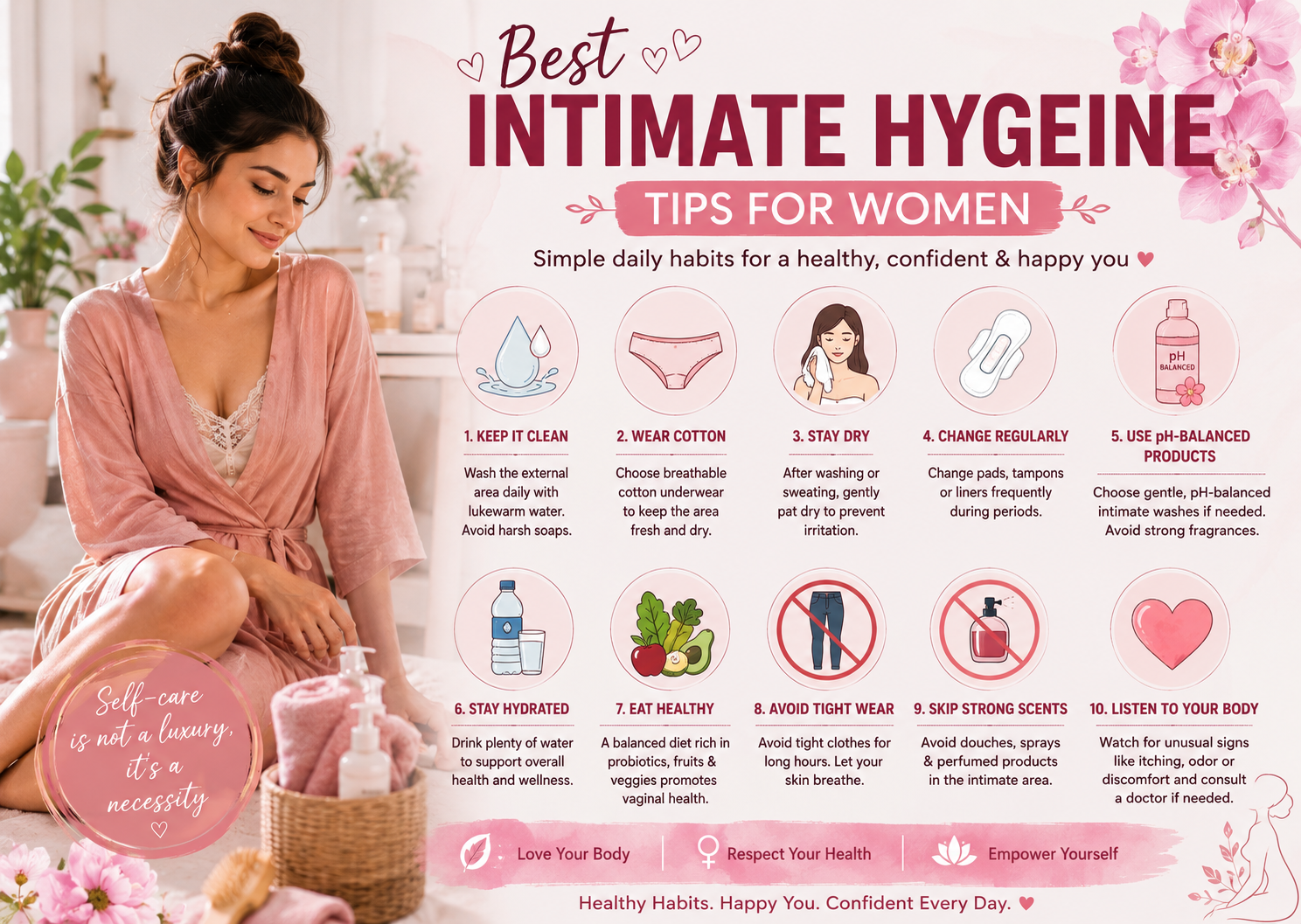
Gentle intimate care and avoiding unnecessary irritation can help support vaginal wellness.
Treatment Options and Natural Remedies
The right treatment depends on the actual cause, but several approaches may help improve comfort. Possible supportive solutions include:
- Staying hydrated
- Managing stress
- Improving emotional relaxation
- Using doctor-recommended products
- Maintaining healthy intimate hygiene
- Prioritizing emotional connection
Healthy lifestyle habits can often support overall wellness naturally.
Communication With Your Partner Matters
Many women feel embarrassed talking about discomfort during intimacy, but open communication can reduce emotional stress greatly. Healthy partners should create an environment where women feel:
- Heard
- Safe
- Comfortable
- Respected
- Free from judgment
Emotional support is extremely important.
When to See a Doctor
Occasional dryness can happen naturally, but ongoing symptoms should not be ignored. It’s important to seek medical advice if you experience:
- Persistent discomfort
- Pain during intimacy
- Burning or irritation
- Unusual symptoms
- Emotional distress related to dryness
Professional guidance can help identify underlying causes safely.
Final Thoughts
Vaginal dryness is more common than many women think, and it can happen for emotional, hormonal, physical, or lifestyle-related reasons. There is absolutely no shame in experiencing it or seeking support.
Understanding your body, prioritizing emotional wellness, reducing stress, and communicating openly can all help improve comfort and confidence over time.
At the end of the day, women deserve to feel physically comfortable, emotionally safe, and supported when it comes to intimate wellness and health.